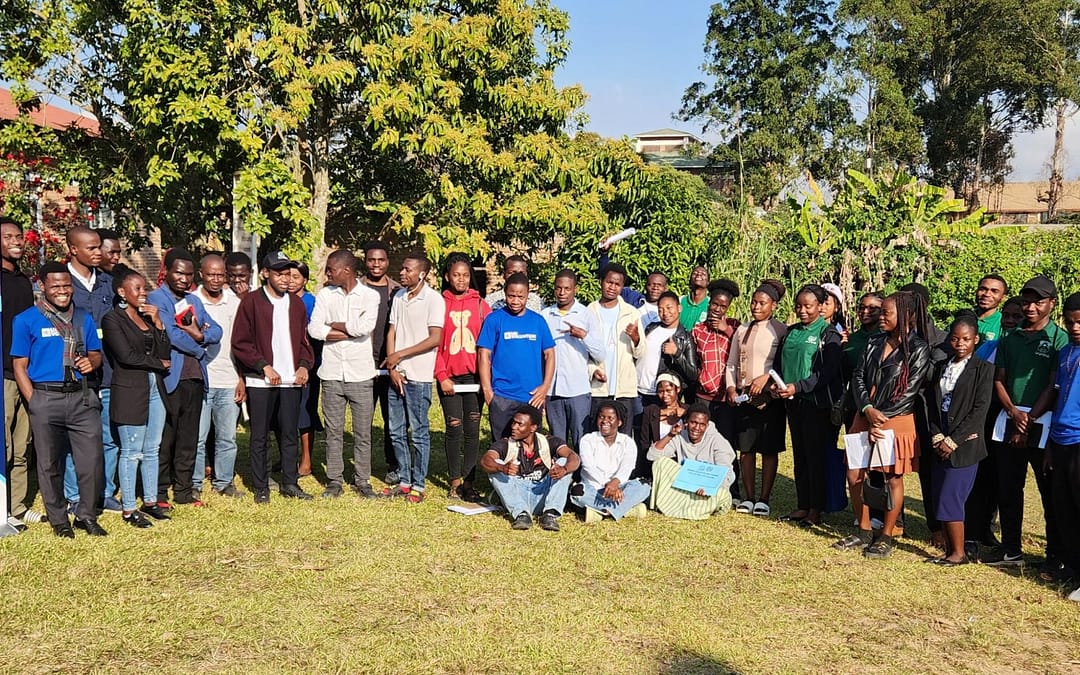
Young people from the three youth groups of Mzuzu University gathered at Ungweru Organisation Hall in Mzuzu on Saturday, 11 July 2026, for a SELL Programme leadership workshop that built ethical leadership skills through interactive discussions, reflection, teamwork, and practical learning activities.
The workshop, organised by the Youth Development Unit of Ungweru Organisation, under the Sharing Education and Learning for Life (SELL) Programme, brought together members of St. Thomas Community, United Nations Volunteers (UN.V), and the Mzuni Hope Initiative, all youth groups from Mzuzu University. The training aimed to help participants understand that effective leadership is rooted in service, integrity, responsibility, and respect for others while equipping them with practical skills to become positive leaders within the university and in their communities.
The Leadership Unit encouraged participants to reflect on different forms of leadership, authority, and power that influence their daily lives. Through discussions, practical activities, role plays, and personal reflection, the young people explored how they can become ethical leaders who positively influence their communities.
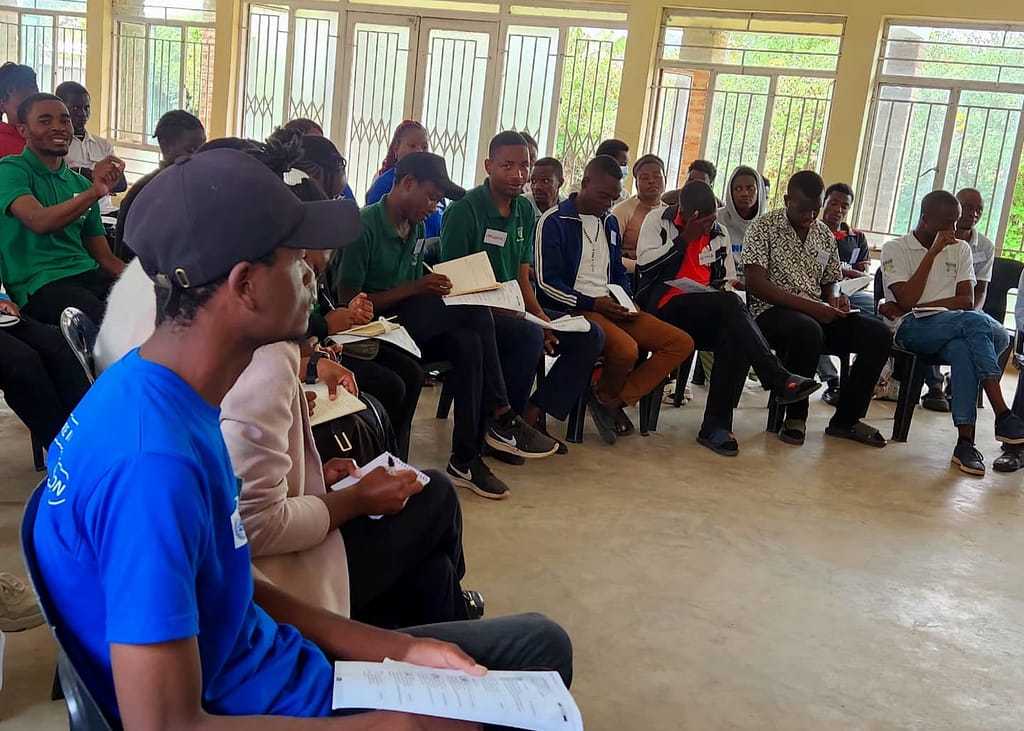
Participants follow the opening session of the SELL Leadership Workshop
Throughout the day, participants took part in five interactive learning sessions that encouraged critical thinking and teamwork. One of the first activities, Pass the Message, demonstrated how poor communication can easily distort information. The exercise helped participants appreciate the importance of active listening, clear communication, humility, and seeking clarification before making decisions.
Another session invited participants to reflect on their own experiences with parents, teachers, employers, religious leaders, and other authority figures. These discussions helped them understand how personal experiences shape leadership attitudes while encouraging healing, forgiveness, and servant leadership.
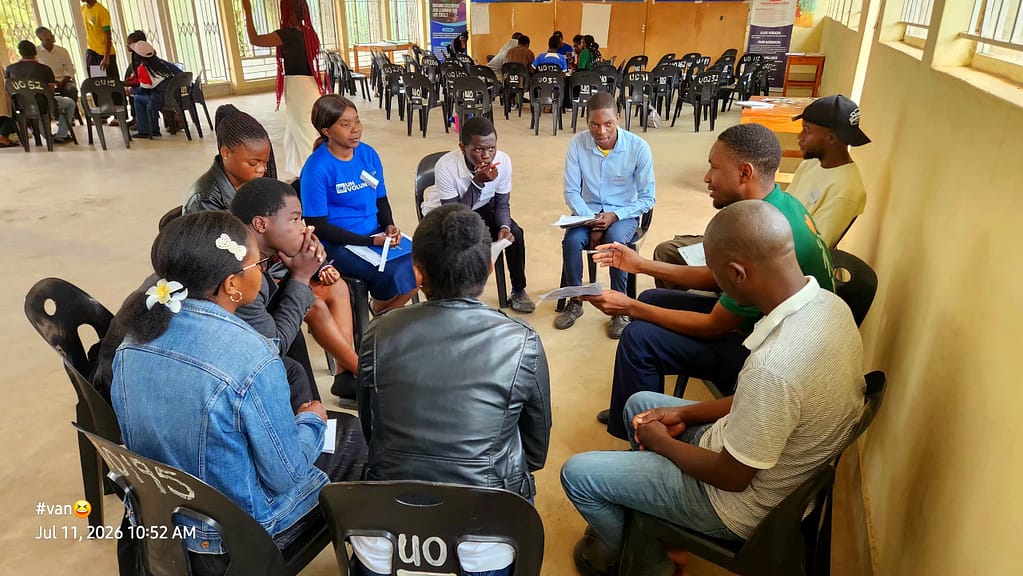
Participants actively engage in group discussions during one of the interactive leadership sessions.
The workshop also introduced participants to six different leadership styles using animal symbols including the lion, monkey, tortoise, peacock, donkey, and ant. Working in groups, participants identified the strengths and weaknesses of each style before reflecting on their own leadership qualities. The exercise helped them understand that effective leadership requires flexibility, collaboration, and the ability to adapt to different situations.
Leadership was also explored beyond human relationships through a session on environmental stewardship. Participants discussed the responsibility of leaders in protecting the environment and identified practical actions they could take to promote sustainable communities.
The final session focused on the role of leaders in sexuality education. Participants discussed how parents, teachers, faith leaders, health professionals, and young leaders all have a responsibility to provide young people with accurate information and positive guidance that supports healthy relationships and responsible decision-making.
Speaking after the workshop, Isaac Thindwa, Team Leader for the Youth Development Unit at Ungweru Organisation, said the Leadership Unit is designed to help young people realise that leadership is not about titles but about serving others with integrity and responsibility.
Speaking during the workshop, Isaac Thindwa, Team Leader for the Youth Development Unit at Ungweru Organisation, said the Leadership Unit is designed to help young people realise that leadership is not about titles but about serving others with integrity and responsibility.
“Our goal is to help young people discover that every person has the potential to lead positively. True leadership is demonstrated through service, good character, and the choices we make every day.”
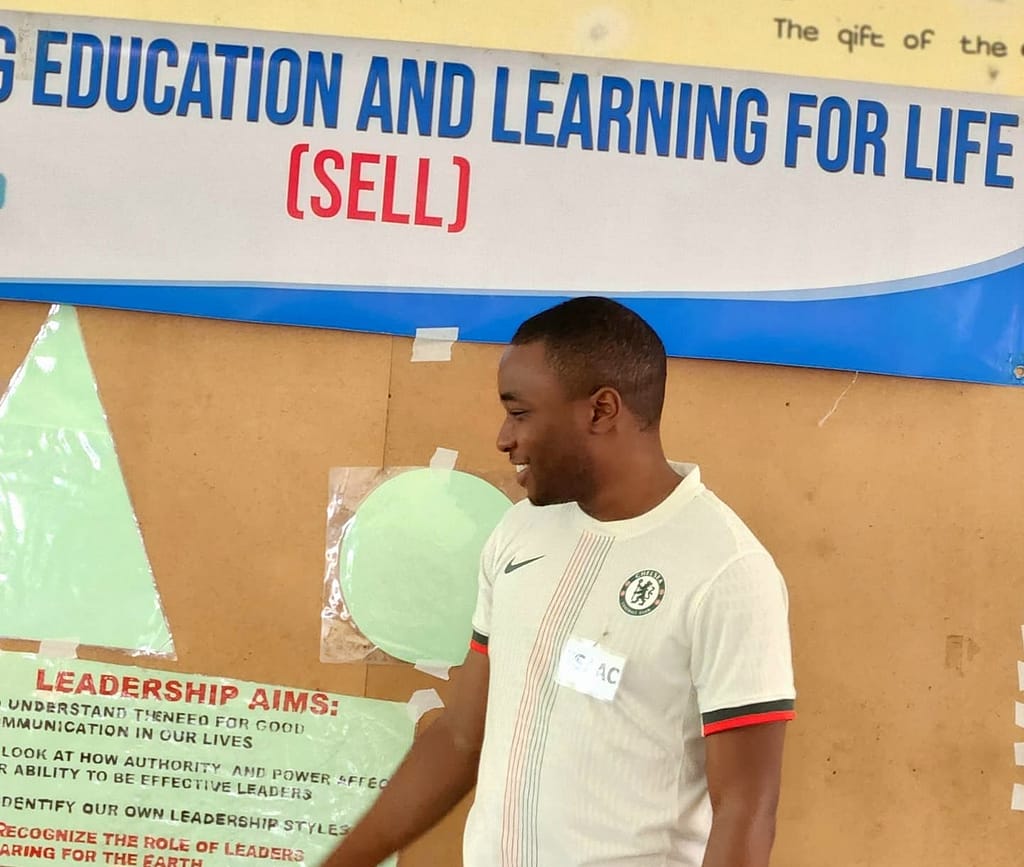
Facilitator Isaac Thindwa guides participants through one of the practical leadership exercises.
Co-facilitator Patricia Nyirenda, Sexual and Reproductive Health Coordinator at Ungweru Organisation, said the interactive approach used by the SELL Programme allows young people to learn from one another while building confidence and practical leadership skills.
“These discussions encourage us to reflect honestly on our experiences and inspire us to become leaders who respect others, communicate well, and make responsible decisions.”
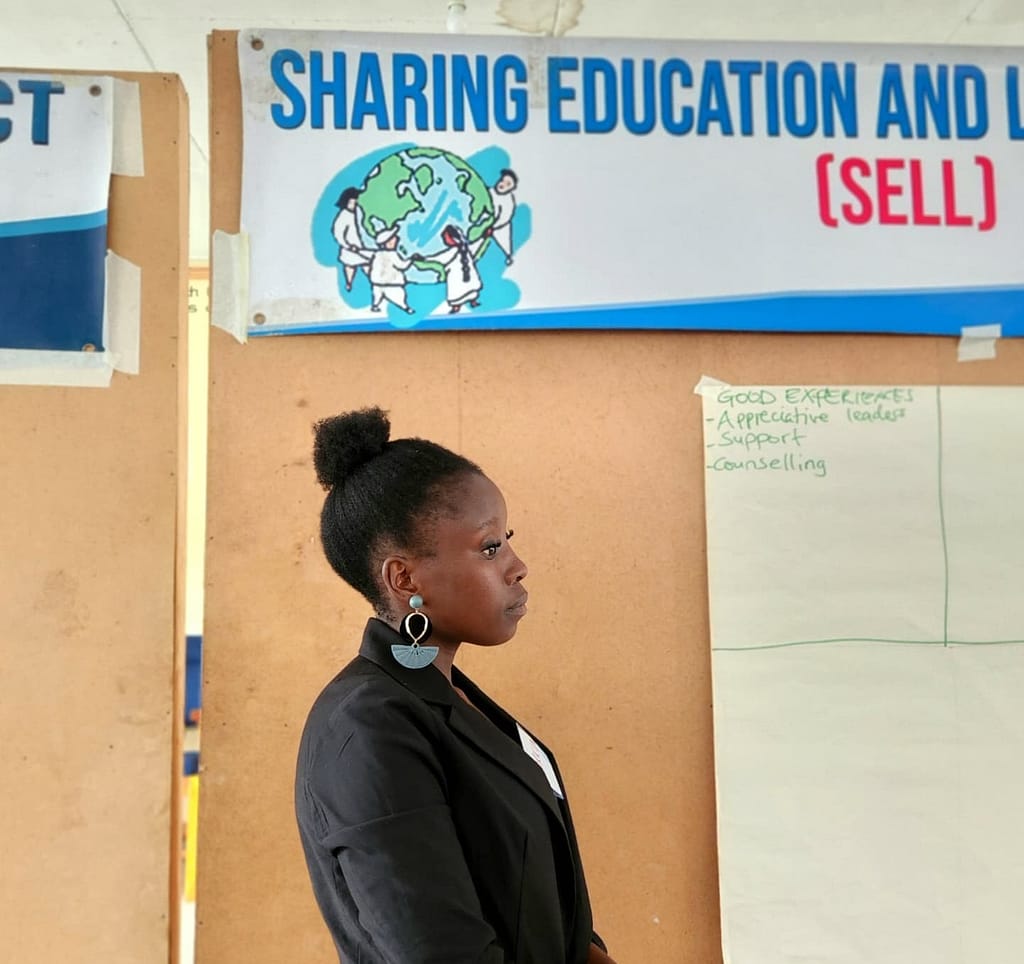
Patricia Nyirenda addresses participants on the impact of the SELL programme
The workshop attracted 53 participants, who remained actively engaged throughout the day. Their diverse backgrounds enriched the discussions and created opportunities for peer learning and collaboration.
Christiano Siliya, one of the participants from Mzuzu University, described the workshop as an eye-opening experience.
“I used to think leadership was only for people with positions, but today I have learnt that leadership begins with how I serve and influence those around me.”
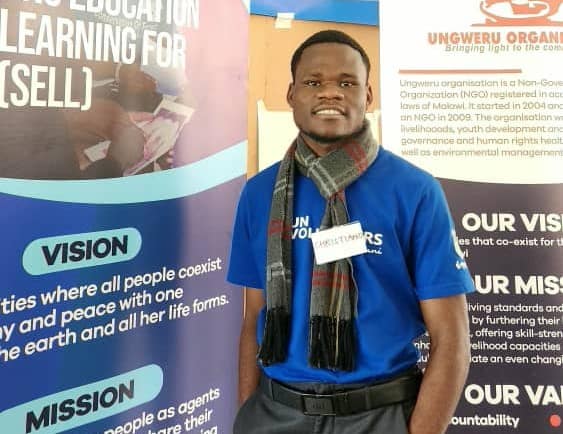
Christiano giving a complement of how the session has shaped his understanding of the leadership
The workshop strengthened participants’ understanding of leadership as a responsibility rooted in service, integrity, teamwork, and accountability. It also encouraged networking among the three university youth groups and inspired many participants to become more intentional in serving within their universities, churches, and communities.
By the close of the workshop, participants left with renewed confidence, practical leadership skills, and a deeper commitment to becoming positive role models capable of contributing meaningfully to the development of their communities.
The Youth Development Unit of Ungweru Organisation remains committed to implementing the SELL Programme and equipping young people with the knowledge, values, and life skills needed to become ethical, compassionate, and transformational leaders for Malawi’s future.
The Organisation sincerely thank St. Patrick’s Missionary Society for their support in making this workshop possible.