

Kalowa Youth Club has raised alarm over Sexual and Reproductive Health Rights (SRHR) products misuse in their community. Condoms and other products meant for pregnancy and STI prevention are being used for other activities.
The concern emerged during a recent youth club engagement visit by Ungweru Organisation. From 27 to 29 May, the organisation visited youth clubs in Nkhata-bay, including Kalowa, Zilakoma, Youth of Substance, Wilson, and Msomba. The engagement was part of the Inclusive SRHR Programming through Information, Rights and Empowernment (INSPIRE) project.
Among the most surprising issues raised was the misuse of condoms for fishing. During discussions with young people, the organisation discovered that condoms are in high demand locally, not only for their intended use in preventing sexually transmitted infections (STIs) and unintended pregnancies, but also for an alternative purpose in fishing. Youth at Kalowa Youth Club revealed that condoms are increasingly being used as fishing equipment rather than for their intended purpose of preventing sexually transmitted infections (STIs), HIV, and unintended pregnancies. According to the youth, condoms are stretched and fitted with a torch inside to create a floating light source that attracts fish at night. While some regard the method as an effective fishing technique, health workers together with Ungweru organisation have condemned the practice, warning that it compromises public health efforts and reduces access to condoms for those who need them for protection.

Open discussion with Kalowa youth club on issues affecting youth to access SRHR products in their community
Across all the youth clubs visited, young people consistently raised concerns about lack of privacy in health facilities. Many youth reported that confidentiality is not always respected by some health personnel, making it difficult for them to seek services such as HIV testing, contraception, and counselling. One participant explained: “We fear going to the clinic because sometimes what we share in confidence does not stay private. This makes many young people choose not to go at all.” These concerns were acknowledged by a health worker identified as Sato from Mwaya Hospital, who confirmed that confidentiality breaches do occur and contribute to reduced youth attendance in health facilities, noting that once trust is lost, young people often stop seeking services.
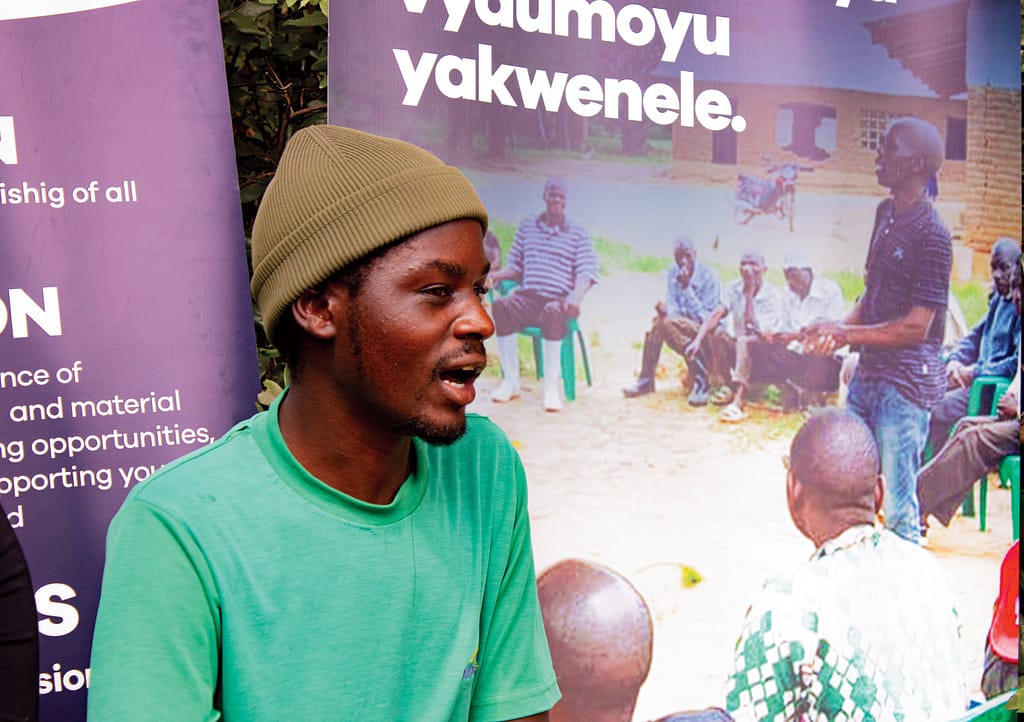
A member of youth of substance youth club shares his concern about privacy issues in health facilities
In addition to privacy concerns, cultural attitudes were also cited as a barrier. Youth reported that in some health facilities, elderly patients are often prioritised over young people, even in urgent cases, a practice that discourages youth from seeking timely care. Not only that but also parents discourage their children to join youth clubs to access SRHR information citing that it encourages the spirit of immoral behaviours. Nelson Ogo, chairperson of Msomba youth club, observed that such experiences reinforce feelings of exclusion among young people. Discussions further indicated a noticeable gender gap in health-seeking behaviour, with more girls accessing services such as HIV testing compared to boys. Stein Nyirongo, one of the health personnel from Chintheche community hospital reflected on broader behavioural realities, saying, “Responsible sexual health is part of overall wellbeing. It needs to be done with care and proper protection.”
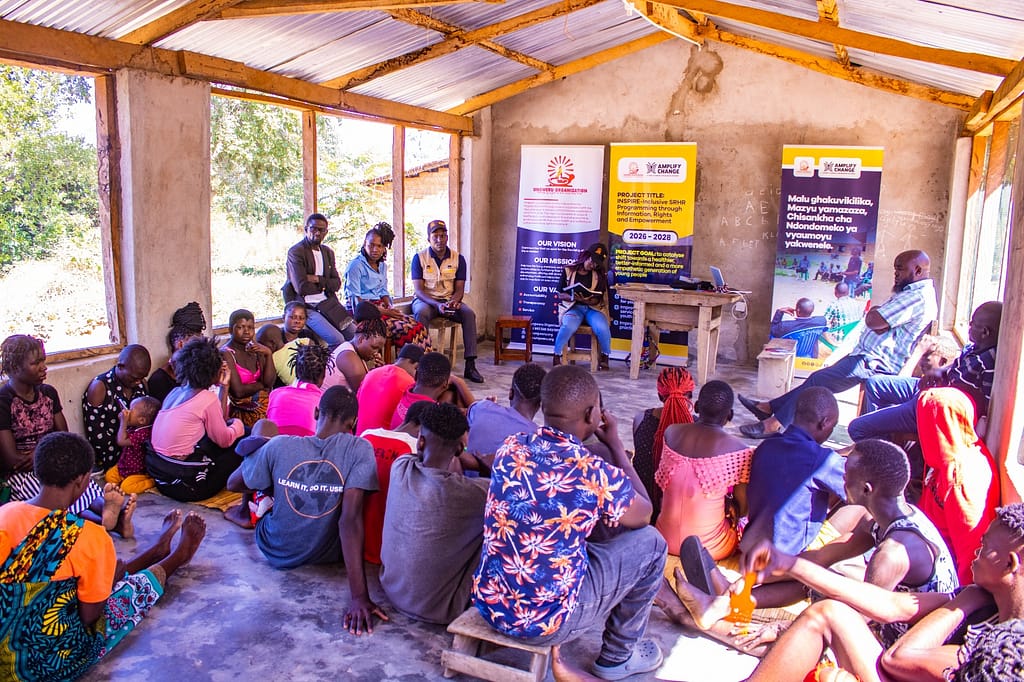
Msomba youth club together with the team from Ungweru Organisation, Health sector and Nkhata-Bay District youth office in a discussion about SRHR issues affecting young people
Despite these challenges, the community engagements also focused on positive behavioural change, empowerment, and youth development. The sessions emphasised building confidence among young people to access health services without fear or shame, while also addressing misinformation that contributes to risky behaviours such as condom misuse. Ungweru Organisation further stressed the importance of empathy among youth, encouraging them to understand and support one another rather than gossiping or stigmatizing those facing health-related challenges.
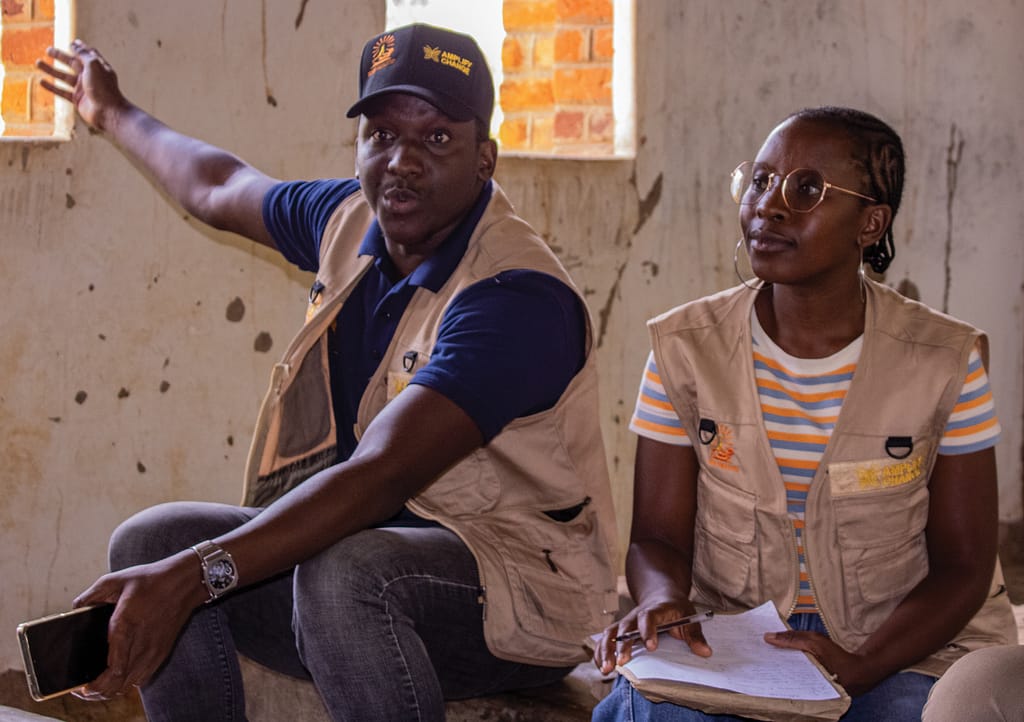
The Projects Officer, Kelvin Zimba, addressing the youth on the importance of empathy, encouraging them to support one another on health-related issues rather than gossiping
As part of follow-up actions under the INSPIRE project, Ungweru organisation plans to intensify SRHR education, correct misinformation, and work closely with youth clubs to identify safer and more sustainable livelihood options. The aim is not only to discourage harmful practices such as condom misuse but also to strengthen youth access to friendly, confidential, and respectful health services. Ultimately, the initiative seeks to ensure that protection tools are used for protection, and that young people in Kalowa and surrounding areas are empowered with both knowledge and opportunities to make informed, healthy decisions.