

For years, conversations about puberty, menstruation, relationships and personal safety have often been surrounded by silence and cultural beliefs that make it difficult for children to ask questions or seek help. For Florence Nyirenda, a teacher and a member of a Mother Group, changing this culture starts with creating spaces where children feel safe to speak and adults are willing to listen.
Nyirenda was one of the participants in a community engagement organised by Ungweru Organisation under UNESCO’s Our Rights, Our Lives, Our Future (O3) project. The engagement brought together Mother Group members, learners and Child Protection Committee members to discuss parent-child communication under Comprehensive Sexuality Education (CSE).
For Nyirenda, the discussion reinforced something she has witnessed through her work as a teacher: children can face difficult situations but remain silent when they do not have trusted adults they can approach.
She recalled meeting a female learner who was crying after experiencing inappropriate touching by a fellow learner. The girl had been afraid to report the incident after being threatened. For Nyirenda, the experience demonstrated why children need adults they can trust and talk to when they encounter challenges.
“It shows that children need someone they can trust and talk to when they face difficult situations,” Nyirenda reflected.
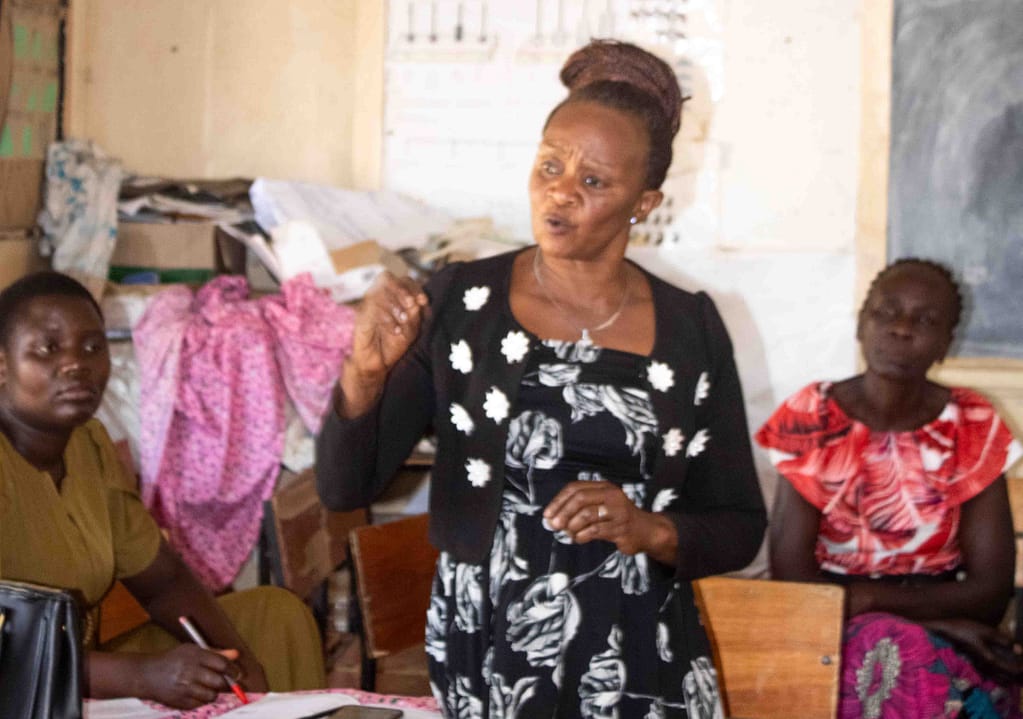
Nyirenda shares a story from her experience as a teacher, highlighting the importance of children having trusted adults they can approach when facing challenges.
The engagement has strengthened Nyirenda’s commitment to taking these conversations beyond organised community sessions. She says she will continue encouraging parents to listen to their children and create opportunities to discuss issues affecting them, including puberty, menstruation, relationships and personal safety.
“Parents should not shy away from talking to their children about puberty and other issues affecting them. We need to leave behind the old beliefs that make us consider these conversations taboo because they can prevent children from opening up when they need help,” she said.
During the discussion, participants also reflected on attitudes that can make communication between parents and children difficult. Nyirenda challenged parents to reconsider practices that have traditionally been viewed as inappropriate, including fathers supporting their daughters during menstruation.
She encouraged fathers to feel comfortable buying sanitary pads for their daughters and talking to them about menstruation and puberty, while mothers should also be willing to have similar conversations with their sons about the changes they experience during adolescence.
“We need to change some of the mindsets that we have carried for a long time. A father buying sanitary pads for his daughter should not be considered a taboo. When children receive support and can talk openly with their parents, they are less likely to be misled or seek guidance from people who may take advantage of them,” she said.
The message also resonated with learners who participated in the engagement. For some, the discussion provided an opportunity to recognise that asking questions about puberty, relationships and personal safety should not be a source of shame.
Luka Chaula, a learner at Jalawe Primary School said the discussion had encouraged them to become more open with trusted adults when facing challenges.
“I have learnt that I should not keep things to myself when I am facing a problem. I can talk to my parents, teachers or another trusted adult and ask for help” he said.
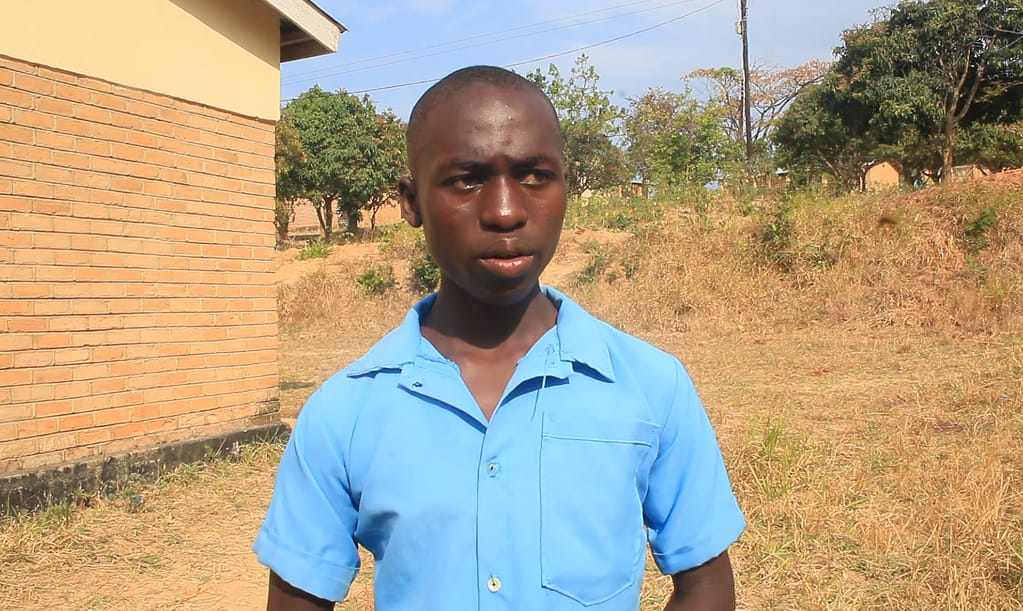
Luka Chaula commits to practice open communication with his parents after attending the discussion
Olipar Kondowe, another learner from Liwuchi Primary School said the discussion helped them understand why communication with parents is important during adolescence.
“Sometimes we are afraid to talk about changes happening to us because we think our parents will not understand. This discussion has shown us that talking openly can help us get the right information and make better decisions” she said.
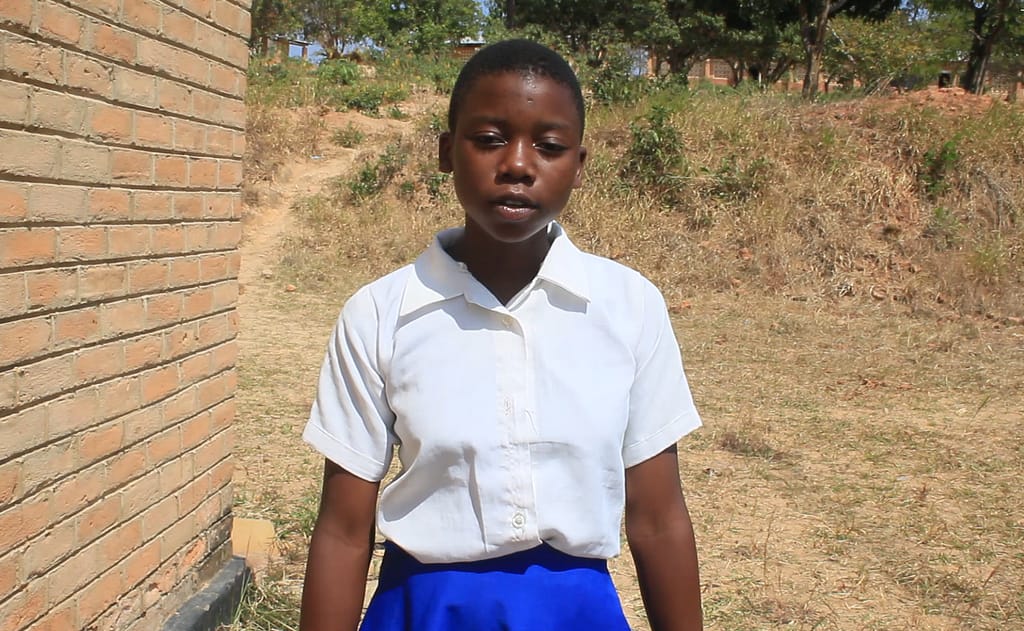
Olipar Kondowe commits to open up to trusted adults when facing challenges
Florence’s experience illustrates why the O3 Programme places importance on engaging not only with learners, but also with the adults and community structures that surround them.
UNESCO supports work such as O3 because creating supportive environments for adolescents requires more than providing information to young people alone. Children and adolescents need trusted adults who can listen to them, provide appropriate guidance and help them access support when they encounter challenges. The O3 approach therefore brings together schools, families and community structures to strengthen knowledge around Comprehensive Sexuality Education, life skills and child protection.
Community engagements provide a space for these different groups to learn from one another and discuss issues that may otherwise remain unspoken. By bringing Mother Groups, learners and Child Protection Committee members together, the discussion creates an opportunity for messages about communication, protection and adolescent wellbeing to move beyond the classroom and into homes and communities.
For Florence, this is where her role as a Mother Group member becomes particularly important. She is not only a participant receiving information; she is also part of a community structure that can help reinforce the messages with parents and children after the engagement.
Mother Groups can help create supportive environments for adolescents by encouraging parents to listen to their children, challenging attitudes that encourage open communication and helping communities recognise when children need protection or additional support.
This community-level role is important to the wider O3 outcomes because adolescents are influenced not only by what they learn at school, but also by the attitudes, relationships and support systems around them. When parents and community members become more comfortable discussing puberty, relationships, personal safety and other issues affecting young people, adolescents have more opportunities to seek accurate information and support.
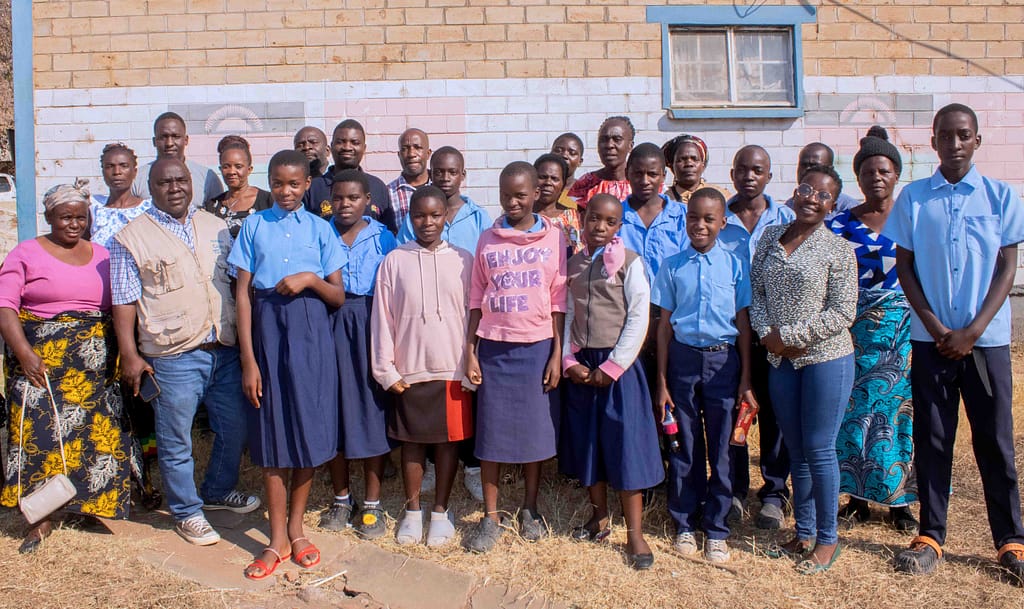
Participants pose for a group photo after the discussion
For Nyirenda, the engagement has strengthened her resolve to continue promoting these conversations in her community. She wants parents to move away from the belief that certain topics are too sensitive to discuss and instead become trusted sources of guidance for their children.
She believes that the change she wants to see begins at home. She envisions a community where children can ask questions without fear or embarrassment, parents are willing to listen without judgement, and young people know that they have trusted adults they can turn to when they face challenges.
She believes that open communication can strengthen relationships between children and their parents while helping young people make informed decisions about their lives and wellbeing.
“If we create a safe environment where children know they can talk to us, they will not be afraid to seek help when they face problems. I want to see parents who listen to their children and children who know that they have someone they can trust,” she said.
For Florence, breaking the silence is therefore more than encouraging families to talk about puberty, relationships or personal safety. It is about building trust between children and the adults who care for them. And in that trust, she sees an opportunity for families and communities to become safer, more supportive spaces where every child can speak, be heard and receive the guidance they need to grow with confidence.