
On 29 August 2026, Ungweru Organisation, in collaboration with Mzuzu Prison, brought together community members in Mswamphira Village, Traditional Authority Mtwalo in Mzimba District, for a restorative justice and peacebuilding initiative aimed at promoting reconciliation, peaceful conflict resolution and the acceptance of people returning to their communities after serving prison sentences.
The initiative is helping the community look beyond past mistakes and recognise the importance of giving returning citizens an opportunity to rebuild their lives and relationships. Through dialogue, community members reflected on how stigma, rejection and discrimination can undermine reintegration, while forgiveness, acceptance and support can help restore trust and strengthen peaceful relationships.
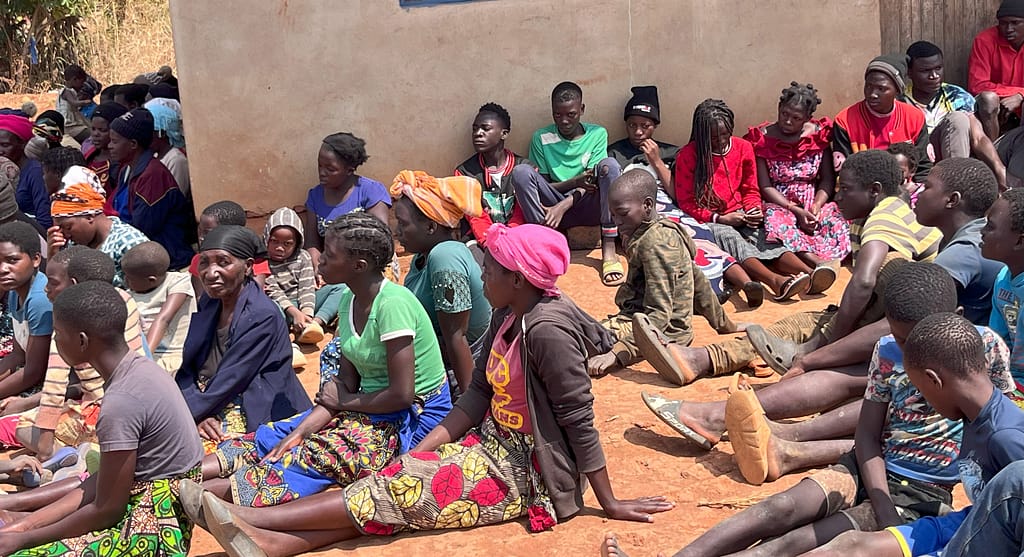
Mswamphira people paying close attention to the talk by the prison officials
Speaking during the initiative, Mr. Fumbani Gondwe, the Prison Chaplain, emphasised the importance of treating every individual with respect and fairness, regardless of their past mistakes. He encouraged community members to welcome and support those returning from prison, stressing the need for forgiveness and unity in order to maintain peace within the community. For Fumbani, successful reintegration begins when communities are willing to forgive and support those who have completed their sentences.
“A person may have made a mistake, but that mistake should not become their permanent identity. When they return to the community, they need people who will encourage them, support them and help them rebuild their lives,” Gondwe said.
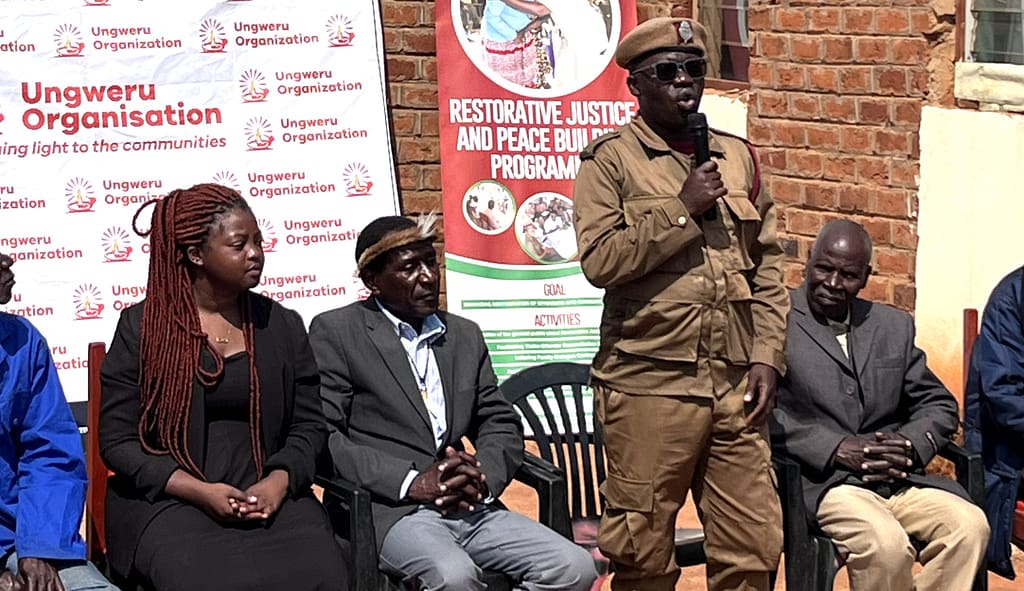
Prison Chaplain, Fumbani Gondwe, speaking of the importance of treating every individual with respect regardless of their past mistakes
Michelle Scott, Ungweru Organisation’s Access to Justice Coordinator, said restorative justice goes beyond addressing wrongdoing. It is about rebuilding relationships and creating conditions that allow individuals and communities to heal.
“Restorative justice reminds us that justice is not only about punishment. It is also about healing, accountability, reconciliation and giving people an opportunity to make positive changes. When communities choose dialogue and support instead of stigma, they create an environment where returning citizens can rebuild their lives while also strengthening peace within the community,” Scott said.
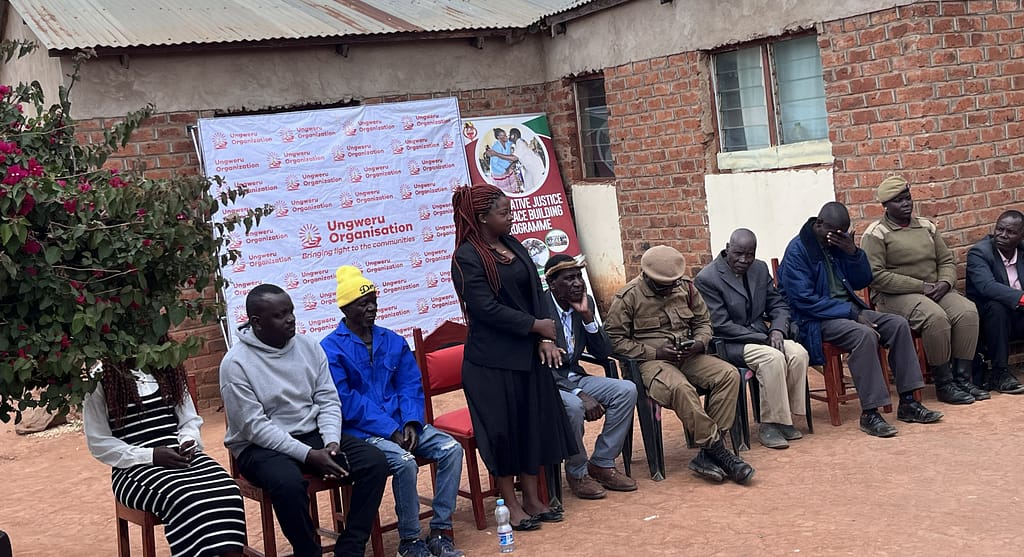
Michelle Scot, Access to Justice Coordinator (AJC) addressing the community members to rebuild their relationships
Group Village Headman (GVH) Mswamphira called on residents to embrace the returning member and give them an opportunity to start afresh.
“We cannot change what has already happened, but we can choose what happens next. If someone has served their sentence, we should not continue punishing them through rejection and discrimination. We must welcome them, guide them and give them a chance to become productive members of this community,” Mswamphira said.
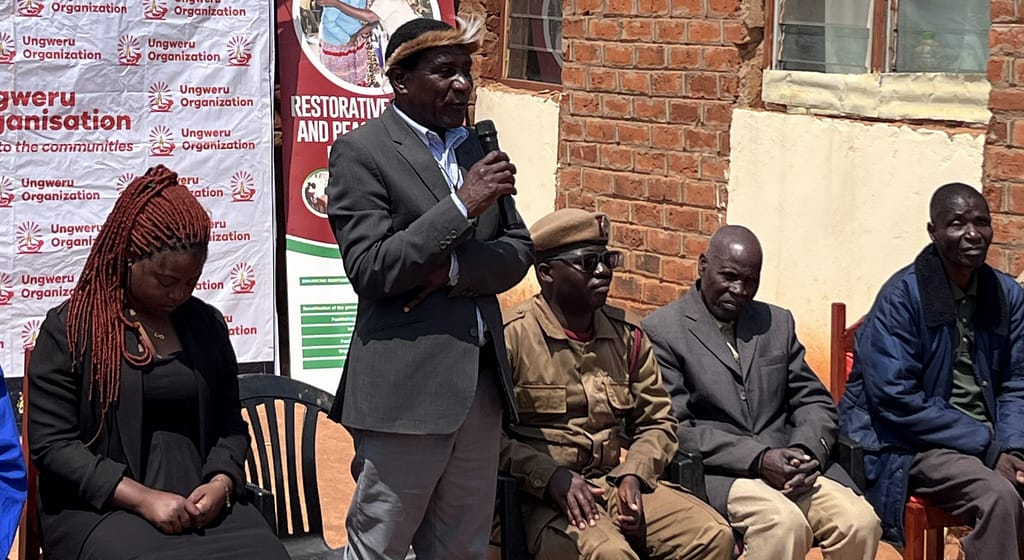
GVH Mswamphira calling on his people to embrace forgiveness
The discussions also addressed behaviours that can cause harm to others, with particular emphasis on preventing child sexual abuse and sexual harassment. Participants were encouraged to practise self-control, respect the rights and dignity of others and take responsibility for creating safer communities.
For Mswamphira, the initiative has created an important foundation for a different kind of return, one where a person coming out of prison is not defined solely by their past, but is given an opportunity to rebuild trust and become part of the community again.
As the community prepares for the return of its member, the message emerging from Mswamphira is clear: a sentence may end behind prison walls, but true reintegration begins when the community opens its doors.
Through continued restorative justice and peacebuilding efforts, Ungweru Organisation and its partners are helping communities transform attitudes, strengthen social cohesion and create space for forgiveness, accountability and second chances.
Hoping for a peaceful Malawi