
Ungweru Organisation, through its Youth Development Unit (YDU), is encouraging young people to embrace diversity, challenge stereotypes and build relationships based on respect and inclusion through its Sharing Education and Learning for Life (SELL) Programme.
On 3 October 2026, 28 students at the University of Livingstonia, Laws Campus, took part in a Community Building Unit workshop that explored how individuals can contribute to creating communities where everyone feels valued, respected and included.
The workshop, facilitated by Isaac Thindwa and Aaron Mkandawire, was the fifth SELL engagement held at the institution. It provided students with an opportunity to reflect on how their identities, backgrounds, beliefs and personal experiences can influence the way they understand and interact with other people.
As Isaac Thindwa guided participants through the discussions, he emphasised the importance of understanding and respecting people’s differences.
“We are different in many ways, but those differences should not stop us from living and working together. Take time to understand other people, listen to their views and respect them. That is how we begin to build a community where everyone feels that they belong,” he said.
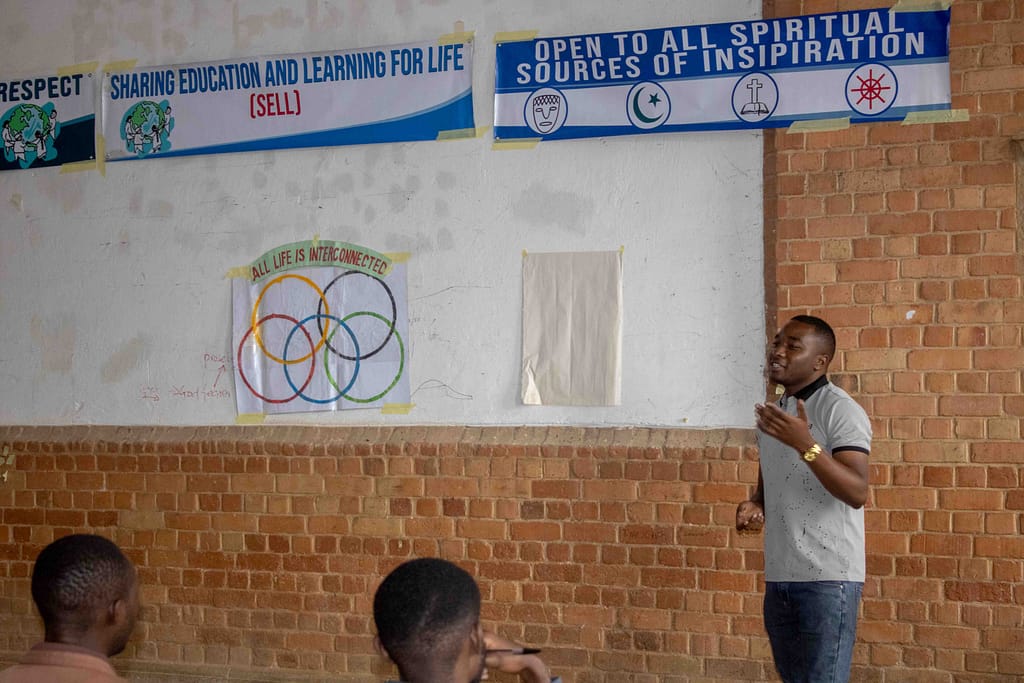
SELL facilitator Isaac Thindwa guides students through a discussion on identity, diversity and building inclusive communities
Through mind mapping, group discussions, drama presentations and personal reflection, participants explored what makes a community healthy and life-giving. The discussions challenged participants to look beyond assumptions and stereotypes and to recognise that differences in culture, ethnicity, religion and personal experiences do not have to divide people. Instead, participants were encouraged to listen to different perspectives, remain open to learning from others and treat people with respect regardless of their background.
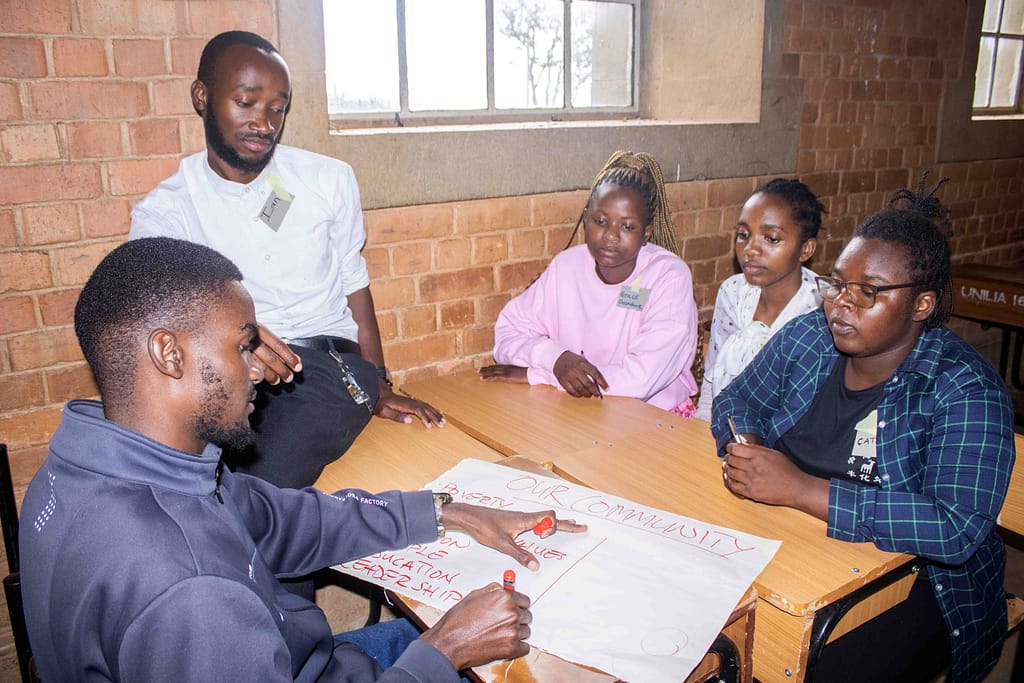
participants engage in a group discussion on identity, diversity and the importance of building inclusive communities
One of the key areas of discussion was gender equality and the contribution of women to families and communities. Through an activity called “A Fantasy of Life Without Women,” participants reflected on the many roles women play in society, including contributions that are sometimes overlooked or undervalued. The activity encouraged participants to think about what communities would lose if women’s contributions were not recognised and supported. It also highlighted the importance of creating opportunities for women to participate equally in leadership, decision-making and community development.
The discussions also gave students an opportunity to reflect on their own attitudes and how they can contribute to creating more inclusive relationships. Tamara Mbemba, a student doing Bachelor of Education in Science reflected on the importance of avoiding assumptions when interacting with others.
“I have learned that sometimes we judge people based on what we assume about them without taking time to understand their experiences. This session has encouraged me to listen more, respect differences and avoid judging people before knowing them,” said Tamara.
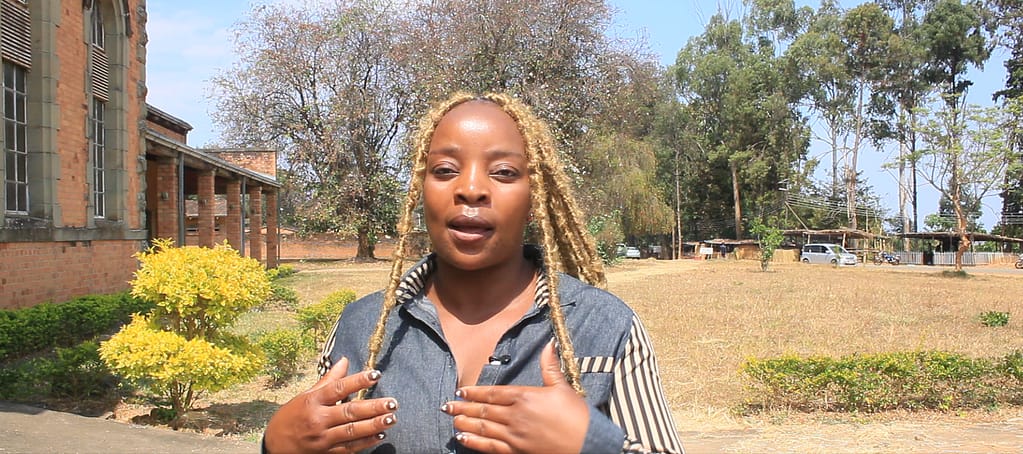
Tamara reflects on the importance of avoiding assumptions when interacting with others
For students, these lessons are particularly relevant to campus life and their future roles in society. The way young people communicate with their peers, respond to differences and challenge unfair treatment can influence the kind of communities they help create.
The Community Building Unit is therefore helping young people develop an understanding that differences do not have to be barriers to working together. When people are willing to listen, understand one another and value each person’s contribution, diversity can become a strength for community development.
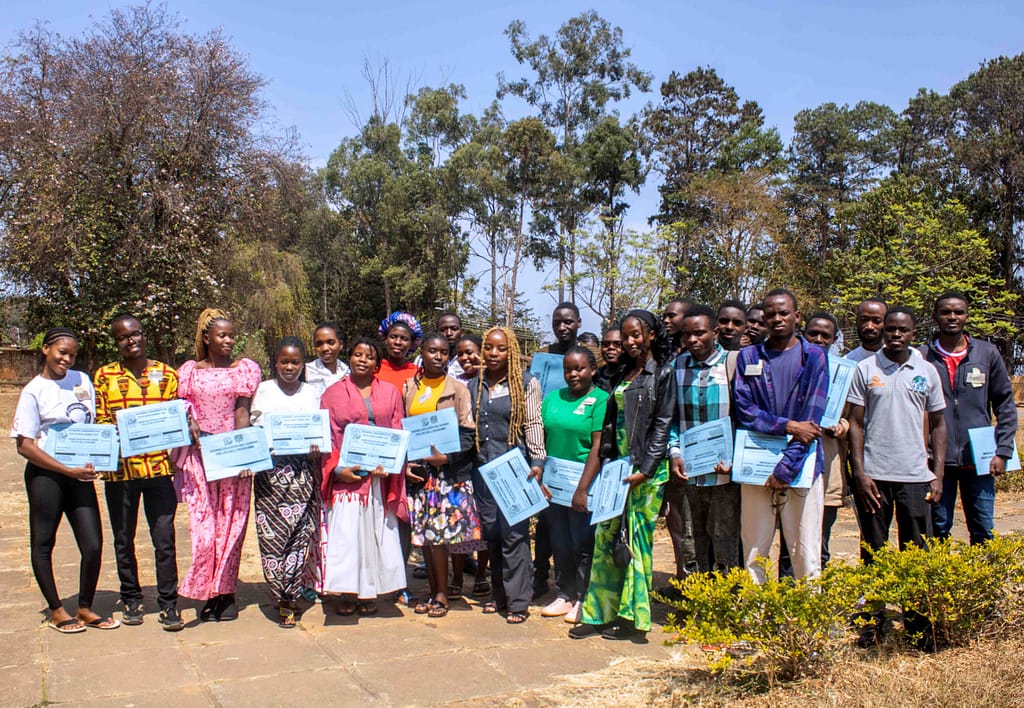
SELL participants and facilitators pose for a group photo outside the University of Livingstonia, Laws Campus, after the Community Building Unit workshop
The workshop forms part of Ungweru Organisation’s continued engagement with students at the University of Livingstonia through the SELL Programme. Through these engagements, the organisation seeks to equip young people with knowledge and life skills that can support healthier relationships, responsible leadership and meaningful participation in their communities.
With 28 students participating, including 15 females and 13 males, the 3 October session provided another opportunity for young people to reflect, learn and consider how they can contribute to building communities where everyone belongs.