
For many parents, talking to children about sexuality, their changing bodies and relationships is not always an easy conversation. Cultural expectations, discomfort and the fear of saying the wrong thing can sometimes leave children searching for answers elsewhere.
But in parts of Rumphi District, that conversation is beginning to change.
Through UNESCO’s (O3) project, Ungweru Organisation, in collaboration with Rumphi Teachers Training College (Rumphi TTC), recently brought together teachers, School Management Committees (SMCs), Parent Teacher Associations (PTAs) and Mother Groups for a four-day orientation on Comprehensive Sexuality Education (CSE) and Gender-Based Violence (GBV).
The activity forms part of UNESCO’s O3 Programme, the largest health and well-being education initiative in Africa, which supports governments and communities to equip adolescents and young people with the knowledge, skills and support they need to lead healthy, safe and productive lives.
The orientation, conducted from 16 to 19 September 2026, reached stakeholders from Mzokoto, Liwuchi and Jalawe TDCs, giving parents and teachers an opportunity to discuss issues that directly affect children as they grow.
The engagement was the first activity under the project aimed at introducing these key community structures to CSE and GBV and helping them understand how they can support children as they grow.
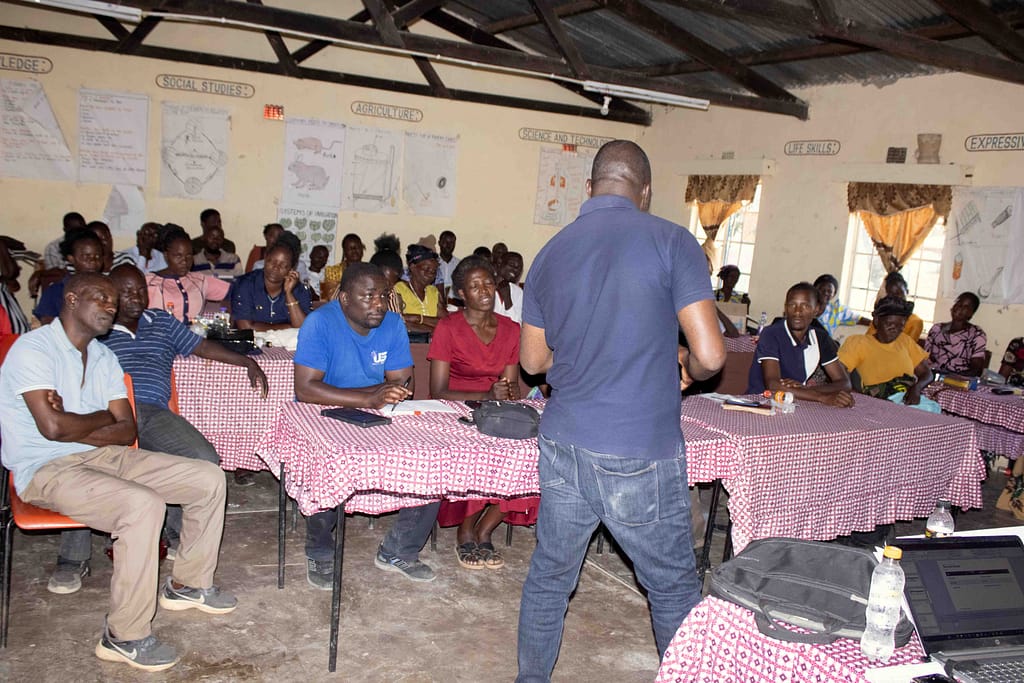
Participants and facilitators during the four-day O3 orientation on Comprehensive Sexuality Education and Gender-Based Violence in Rumphi.
The first two days, held on 16 and 17 September at Mzokoto, focused on introducing participants to CSE and GBV.
Patricia Lily Nyirenda, Sexual and Reproductive Health Coordinator at Ungweru Organisation, facilitated sessions on CSE and GBV, using discussions and group activities to help participants explore issues surrounding sexuality and growing up.
Rather than treating sexuality as a subject to be avoided, participants were encouraged to discuss concepts including sexuality, intimacy, sexual identity, sensuality and sexualisation and consider how these issues affect children and their development.
The discussions also placed emphasis on the role of parents and caregivers in providing children with accurate and age-appropriate information.
For participants, the session was not simply about acquiring information. It was about understanding how adults can become a trusted source of guidance for children at different stages of their growth.
“Comprehensive Sexuality Education is not about encouraging children to engage in sexual activities. It is about giving them the right information, helping them understand their bodies, relationships, rights and responsibilities, and preparing them to make informed and responsible decisions as they grow” Patricia said.
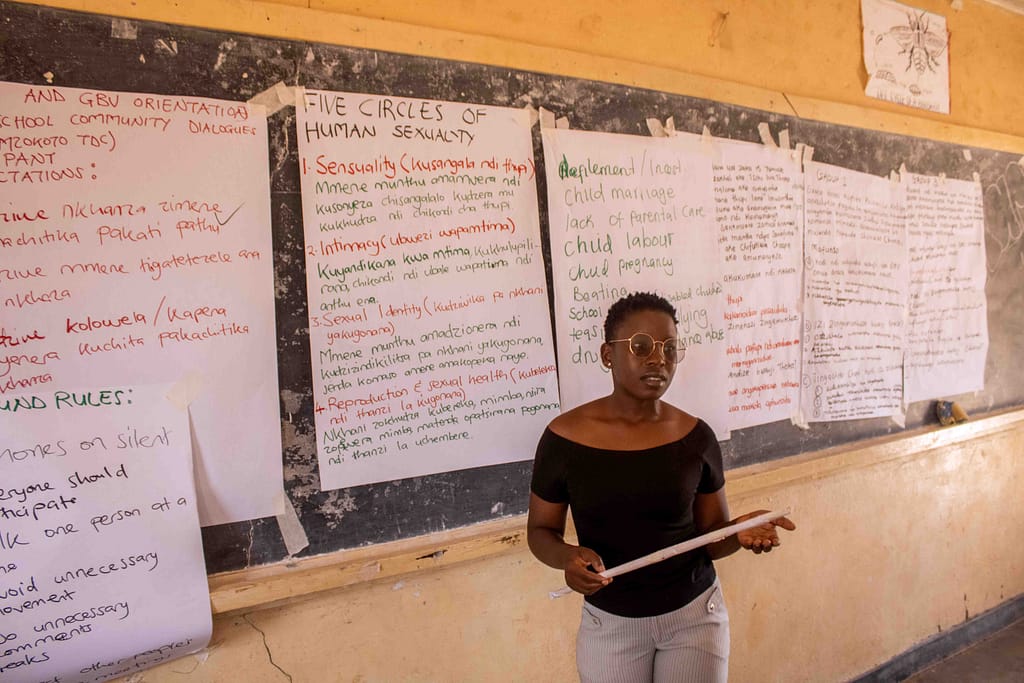
Sexual and Reproductive Health Coordinator Patricia Lily Nyirenda facilitates a session on Comprehensive Sexuality Education and Gender-Based Violence during the O3 orientation at Mzokoto.
The importance of open communication emerged strongly during the discussions. Chrissy Moyo, a Child Protection Work Chairperson and participant, emphasised the need for parents to overcome discomfort when discussing children’s bodies and development.
“Parents should not be afraid to talk to their children about their bodies. When we avoid these conversations, children may look for information from other sources, which may not always be correct. If we talk openly with them, we create trust and give them a safe place to ask questions and seek guidance ” She said.
Her reflection captures one of the central messages of the orientation: children need trusted adults who can provide accurate information, answer their questions and guide them through the changes they experience as they grow.
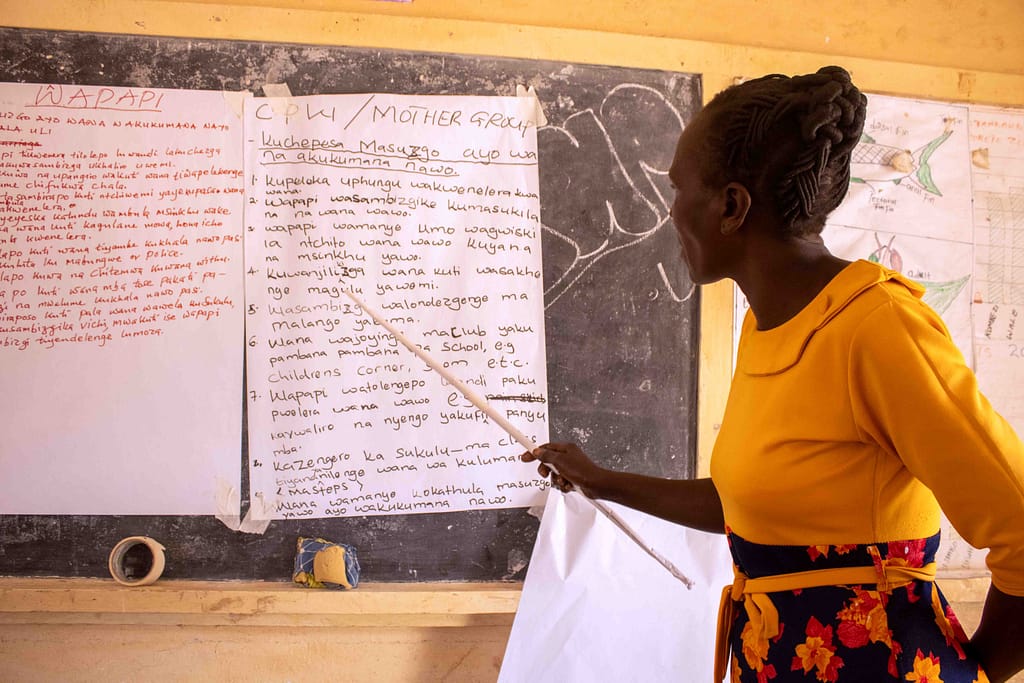
Participant Chrissy Moyo contributes to discussions on the importance of open communication between parents and children.
A teacher, Mr Msiska, also reflected on the importance of the orientation.
“This lesson has reminded us that children need more than academic lessons. They also need adults who can guide them through the changes they experience as they grow. As teachers, we have a responsibility to create a safe environment where learners can ask questions and receive correct information without feeling ashamed” he said.
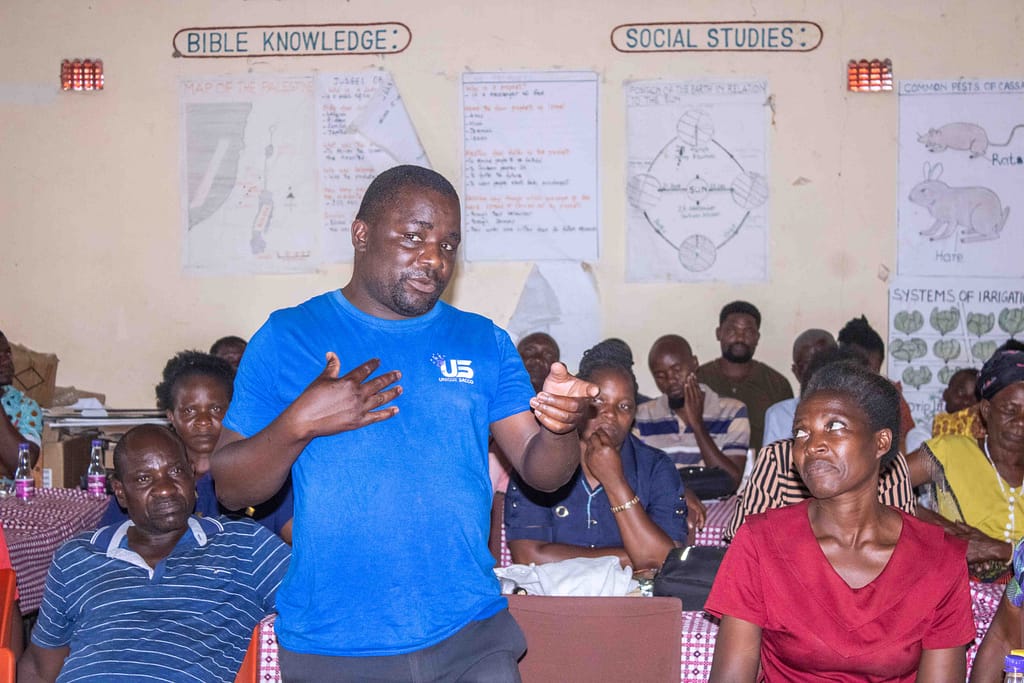
Mr. Msiska, a teacher participates in an interactive discussion during the CSE lesson
His experience illustrates how CSE can extend beyond the classroom. When teachers and parents have a shared understanding of children’s developmental needs, they are better positioned to provide consistent guidance and support.
The orientation continued on 18 and 19 September at Liwuchi and Jalawe TDCs, where participants explored CSE and GBV in greater depth.
Kelvin Zimba, Project Officer at Ungweru Organisation, facilitated discussions on sexuality, sensuality, intimacy, sexual identity and sexualisation, encouraging participants to ask questions and relate the concepts to the realities facing children and families in their communities.
The sessions also explored gender equality, reinforcing that CSE is not information intended for only one gender. Participants were encouraged to understand how both boys and girls need appropriate information, guidance and protection.
Culture was also brought into the discussions, allowing participants to reflect on how cultural beliefs and practices can influence the way sexuality and relationships are understood and discussed.
“We want you to understand that Comprehensive Sexuality Education goes beyond talking about sex. It is about understanding sexuality, relationships, identity, gender, respect and personal responsibility. When parents and teachers understand these issues, they are better placed to guide children as they grow” he said.
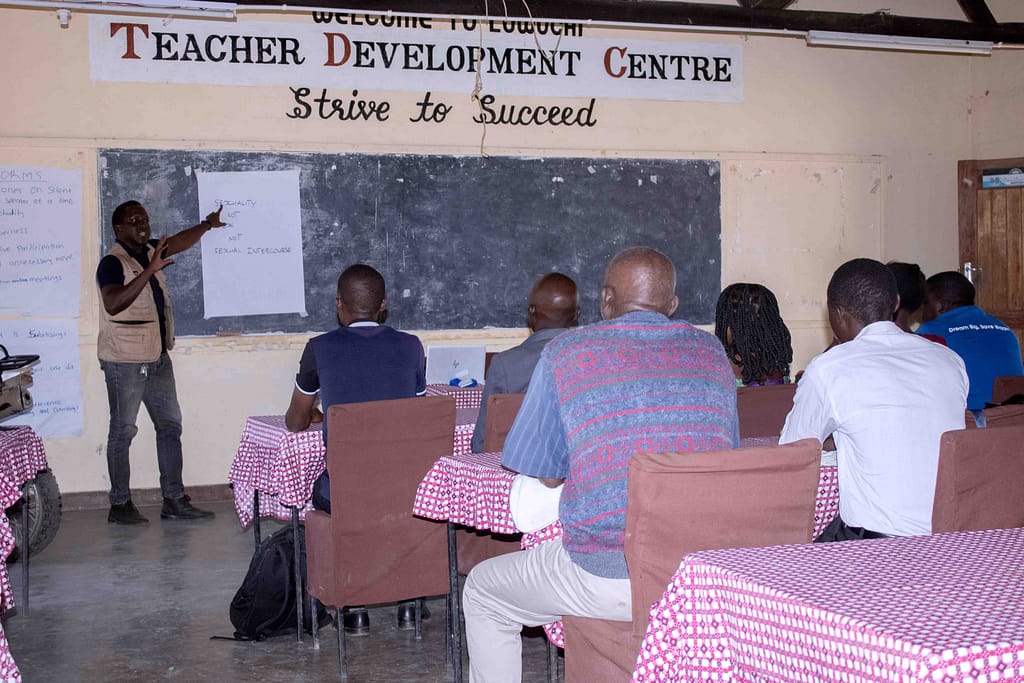
Kelvin Zimba facilitates an interactive session on sexuality and related concepts
Participants were subsequently divided into groups to reflect on growth and sexuality, considering how children change as they grow and how parents and caregivers can respond to those changes.
The group discussions encouraged participants to consider how children can be nurtured with appropriate information, understanding and support throughout different stages of development.
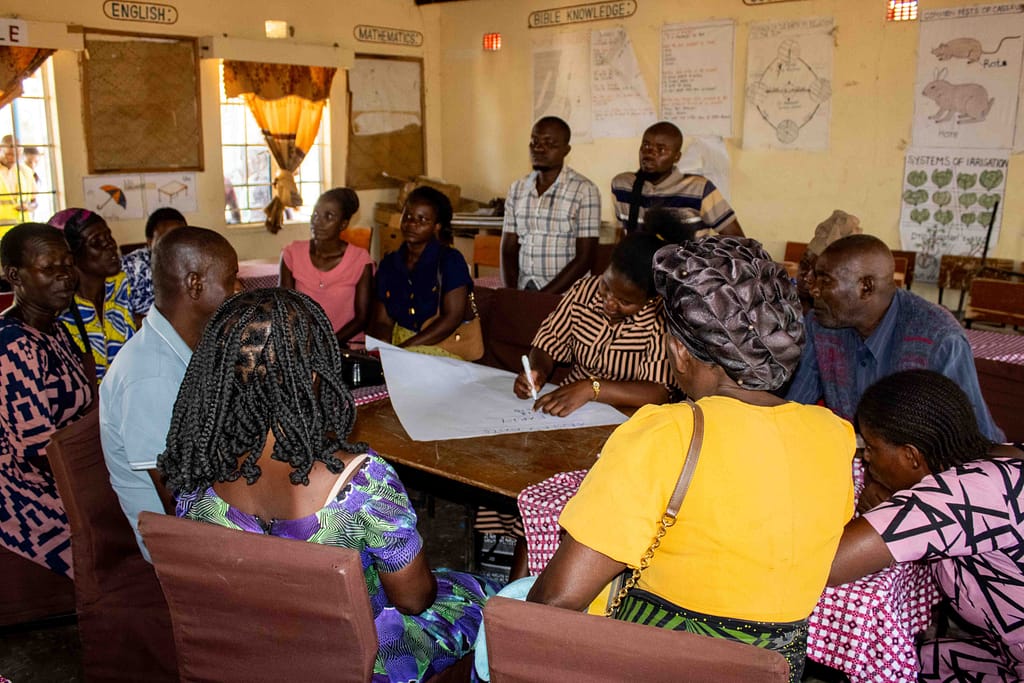
Participants engage in group discussions on child development, sexuality and how best to nurture children as they grow
The discussions encouraged participants to share experiences, ask questions and consider practical ways of nurturing children.
The sessions also addressed Gender-Based Violence, with Mr Nyirongo, Chin Coordinator for Rumphi District, facilitating discussions on GBV.
The discussions helped participants examine GBV within the broader context of rights, protection and relationships, while encouraging them to consider the role of parents, teachers and community structures in preventing violence and responding appropriately when concerns arise.
“Preventing Gender-Based Violence requires everyone to understand their role. Parents, teachers and community structures must be able to recognise harmful behaviour, challenge attitudes that promote violence and ensure that children grow up in environments where their rights and dignity are respected” he said.
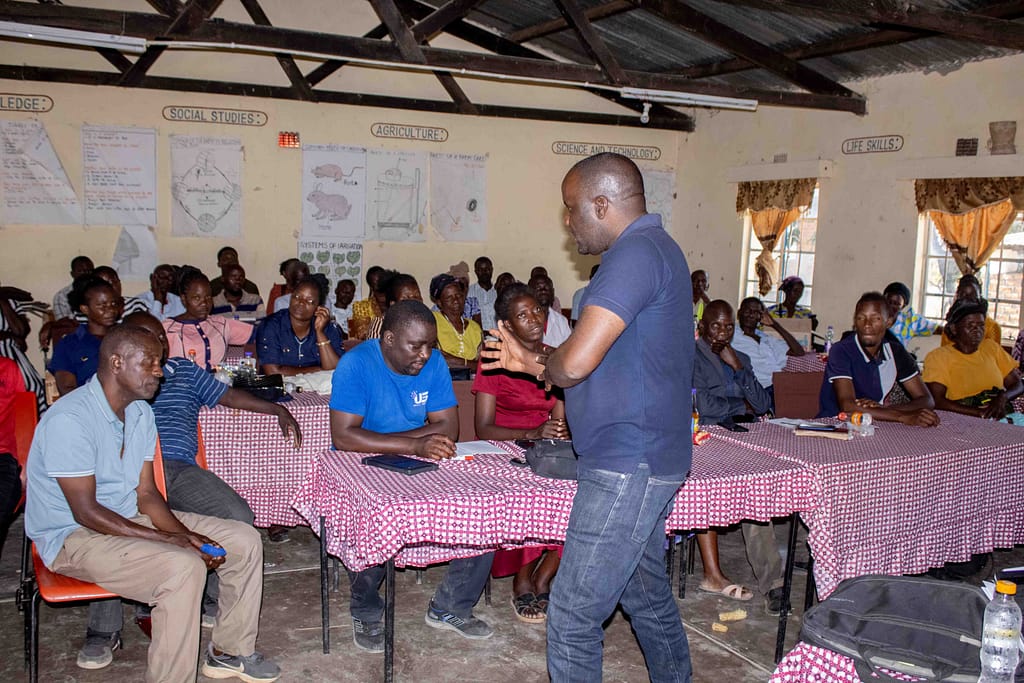
Mr Nyirongo, Chin Coordinator for Rumphi District, facilitates a discussion on Gender-Based Violence
The participation of community and school structures was particularly significant because these groups are closely connected to children’s everyday lives. Teachers interact with learners at school. Parents and PTAs influence what happens at home and within school communities. Mother Groups also play an important role in supporting children and promoting their wellbeing.
Bringing these groups together therefore created an opportunity for a common understanding of the issues affecting children and for strengthening the support systems around them.
Among those taking part was Nellie Chawinga, Headteacher of Kakuyu School, who saw the orientation as an opportunity to strengthen how she and other adults support children.
“This session has given us knowledge that we can take back to our schools and communities. As teachers, we meet children every day, and understanding these issues will help us respond better to their questions, support them through different stages of growth and identify situations where they may need protection” she said.
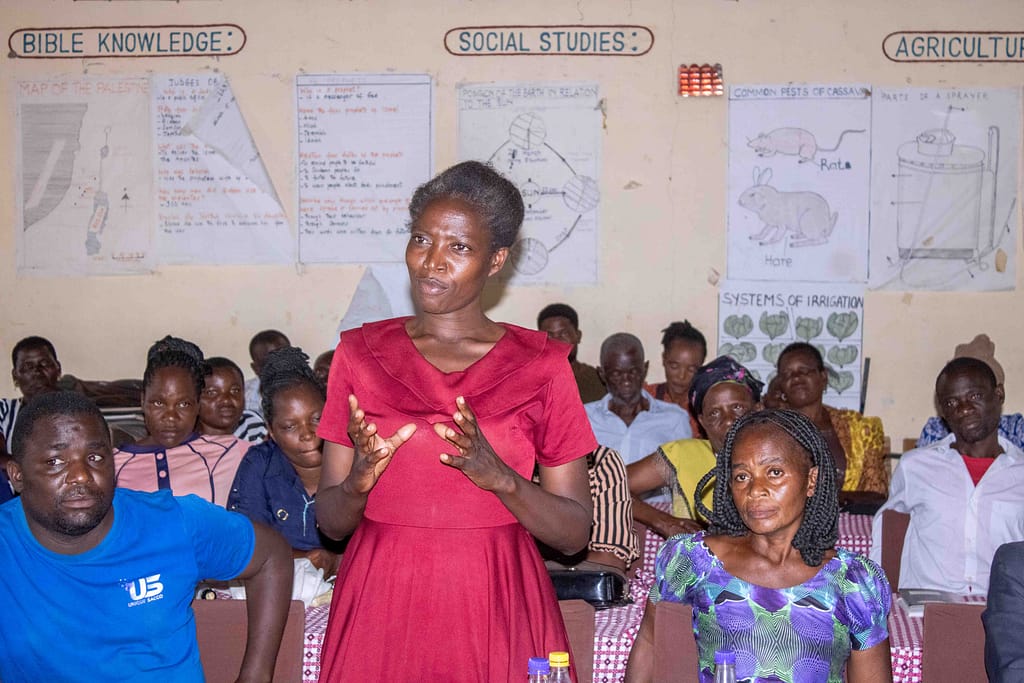
Nellie Chawinga, Headteacher of Kakuyu School, participates in discussions
For Chawinga, the importance of the training extends beyond the four days of engagement. Children spend a large part of their lives at school, meaning teachers are often in a unique position to notice changes, listen to concerns and connect learners with appropriate support.
Chawinga believes that creating an environment where children feel comfortable approaching adults is essential.
“Sometimes children have questions but are afraid to ask because they think adults will judge them. This training has reminded us that we need to be approachable. When children trust us enough to talk, we have a better opportunity to guide and protect them” she added.
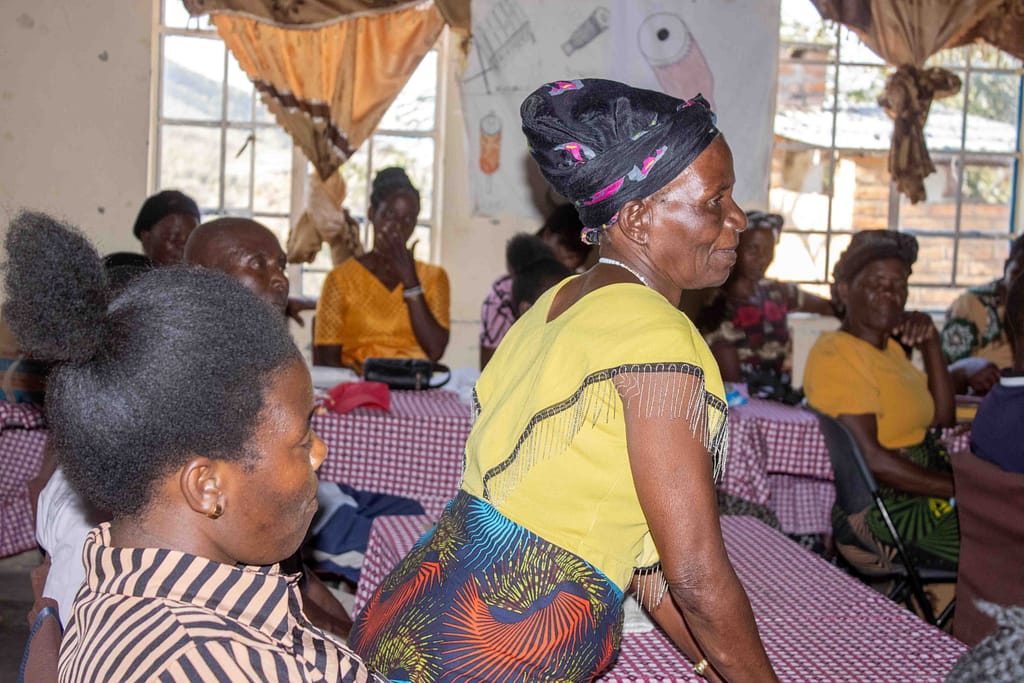
Participants follow discussions, reflecting on how adults can create supportive environments for children.
The four-day orientation brought together members of the O3 implementing team from both organisations, including Kelvin Zimba, Project Officer, Patricia Lily Nyirenda, Sexual and Reproductive Health Coordinator, Newman Chinsapo, Communications Officer, Mr Nyirongo, Chin Coordinator for Rumphi District, and Modester from Rumphi District Social Welfare.
The orientation marks an important first step in building a common understanding of CSE and GBV among the adults and community structures surrounding children. Its significance lies not only in what was taught during the four days, but also in what participants can now take beyond the training room.
A parent who feels more confident discussing a child’s changing body. A teacher who knows how to respond when a learner asks a difficult question. A community structure that understands its responsibility in protecting children. These small changes can contribute to a safer environment for children to grow, learn and make informed decisions.
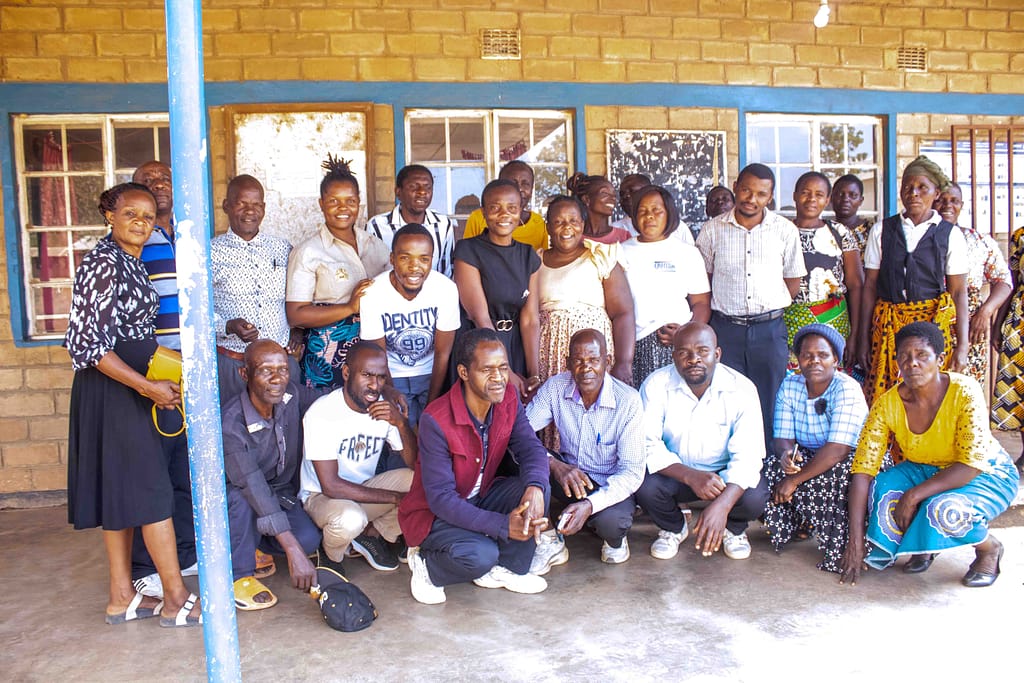
Facilitators and participants pose for a group photograph after the O3 orientation sessions at Mzokoto
O3 project is funded by UNESCO and is being implemented by Ungweru Organisation in collaboration with Rumphi Teachers Training College (Rumphi TTC) in Rumphi District.
Great