

Ungweru Organisation has taken a significant step towards advancing Sexual and Reproductive Health and Rights (SRHR) among young people in Nkhata Bay through a school clubs strengthening activity implemented under the Inclusive SRHR Programming through Information, Rights and Empowerment (INSPIRE) project.
Conducted between 22 and 24 April and 28 and 30 April 2026, the activity brought together students, teachers, school administrators, and district officials in a coordinated effort to assess existing school clubs and identify opportunities for integrating SRHR programming within school environments.
The assessment exercise was carried out by a team from Ungweru Organisation alongside the Schools Inspector from Nkhata Bay District Education Services and a representative from the Nkhata Bay District Youth Office. The engagement focused on assessing the status of existing clubs, determining opportunities for integrating INSPIRE activities, and identifying whether schools required strengthening of existing clubs or the establishment of new structures.

INSPIRE assessment team pause with school patrons and matrons in one of the visited schools
The activity covered six secondary schools namely Kalowa Community Day Secondary School (CDSS), Tukombo Private Secondary School, Tukombo CDSS, Kapanda CDSS, Chifila CDSS, and Bandawe Secondary School. Discussions involved club patrons and matrons, School Health and Nutrition (SHEN) teachers, deputy head teachers, head teachers, and students.
During the visits, the team discovered that most schools already had active clubs operating within their campuses. These included Wildlife clubs, Drama clubs, Science clubs, Why Wait clubs, Quiz and Debate clubs, Language clubs, Sports clubs, History clubs, and religious groupings such as Young Christian Students (YCS), Adventist Youth (AY), CCAP Students’ Organisation (CCAPSO), and the Student Christian Organisation of Malawi (SCOM).
The clubs commonly conduct activities such as tree planting, waste management campaigns, debates, drama performances, poetry presentations, Bible study sessions, laboratory experiments, and discussions on social issues affecting learners. Meetings are usually held once a week after classes.
However, the assessment also highlighted several operational challenges affecting the effectiveness of these clubs. Among the major concerns raised were inadequate financial resources to support activities such as educational trips, low motivation among some learners, irregular attendance during meetings, language barriers affecting student participation in English discussions, and limited time due to meetings being conducted after lessons.
Despite these challenges, the assessment revealed encouraging levels of interest and readiness among schools to integrate SRHR programming into club activities.
At Tukombo Private Secondary School, students and teachers established a new Health and Sanitation Club specifically to support implementation of INSPIRE activities. The club has drawn participation from learners who are already members of other clubs including wildlife, science, drama, and religious groups.

The INSPIRE assessment team paused with the with the matrons and patrons of Tukombo Private Secondary School after the the club assessment exercise with them
Similarly, Bandawe Secondary School established a Youth and Development Club aimed at creating a structured platform for discussing youth-related issues, including SRHR.
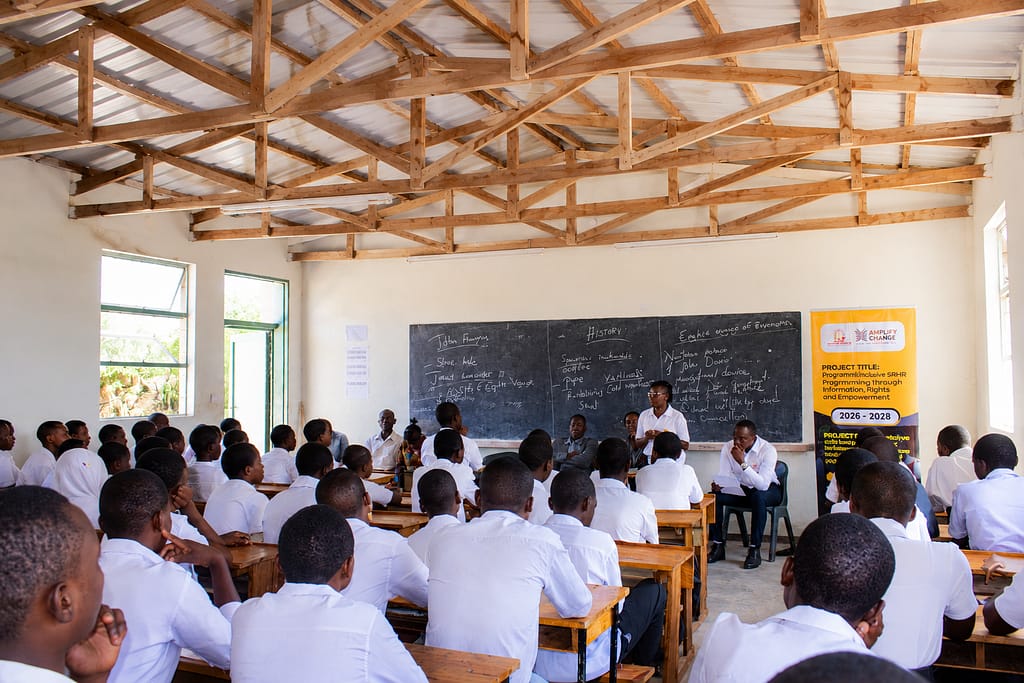
Interactive session with the students at Bandawe Secondary School
In schools such as Kalowa CDSS, Tukombo CDSS, Kapanda CDSS, and Chifila CDSS, existing clubs expressed willingness to integrate SRHR themes into their regular activities. Discussions with students and teachers showed that SRHR topics could naturally fit into debates, drama presentations, history discussions, decision-making sessions, and faith-based discussions around relationships and personal growth.
Speaking during the engagement, Patricia Lily Nyirenda, Sexual and Reproductive Health Coordinator at Ungweru Organisation, described the activity as a foundational step towards building sustainable school-based systems for young people.
“Our goal is not only to introduce SRHR information in schools, but to ensure that schools themselves become active spaces where learners can continuously access accurate information, guidance, and support through structures they already trust and participate in,” she said.
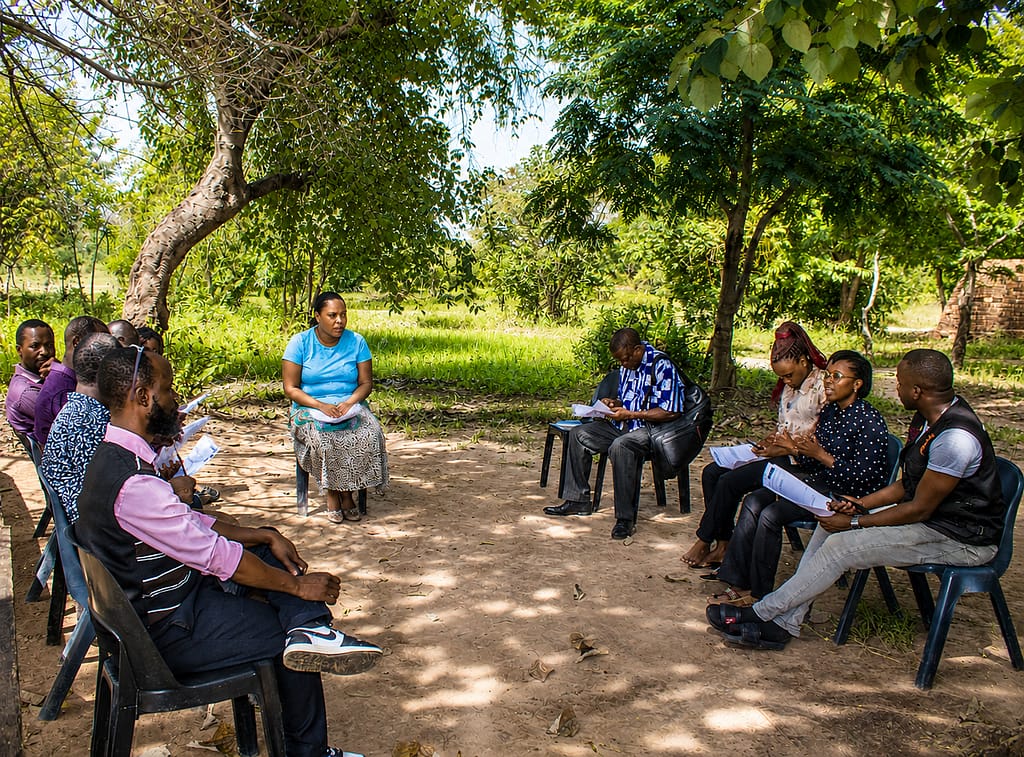
Patricia Lily Nyirenda addressing the patrons and matrons of Kalowa CDSSS on support of the formation of the SRHR club
She further emphasized the importance of working closely with teachers and club leaders to ensure continuity and ownership of the programme within schools.
Project Officer, Kelvin Zimba, noted that the assessment provided critical insights into the realities facing learners and educators in the district.
“The engagement is of immense help to both the teachers and students to understand the strengths that already exist within schools and the areas that need support,” he explained.

Kelvin Zimba addresses matrons and patrons at Tukombo CDSS in an engagement to assess school clubs
Teachers also welcomed the initiative, describing it as timely and relevant to the needs of learners. One club patron at Tukombo CDSS appreciated the approach taken by the project.
“These clubs provide a comfortable environment where learners can express themselves more freely. Integrating SRHR topics within existing club activities will help students access important information in a way that is practical and relatable,” the patron said.
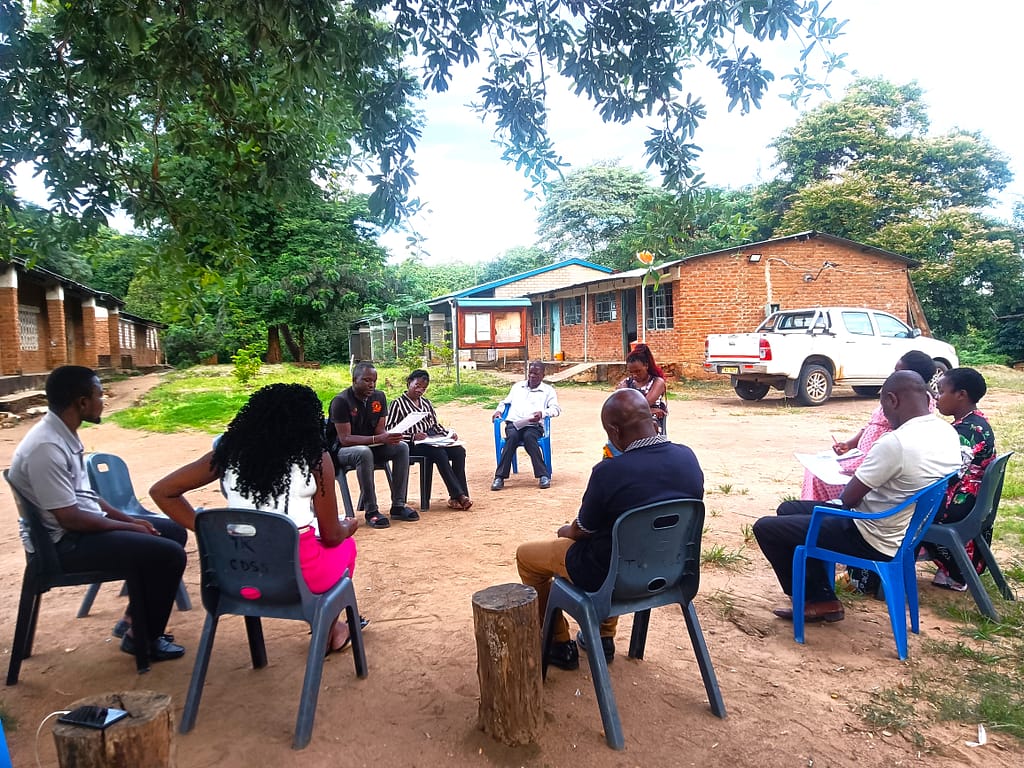
Club patrons and matrons appreciates the approach taken by the project during the engagement
Teachers additionally requested the provision of SRHR facilitation manuals to support effective delivery of discussions and ensure consistency in implementation.
As part of the agreed next steps, SRHR topics will now be integrated into existing clubs at Kalowa CDSS, Tukombo CDSS, Kapanda CDSS, and Chifila CDSS, while the newly established clubs at Tukombo Private Secondary School and Bandawe Secondary School will serve as dedicated entry points for INSPIRE programming.
To strengthen coordination and reporting, WhatsApp communication platforms will also be established for patrons and matrons, while monthly activity reports will be submitted through designated channels. The project further committed to providing SRHR facilitation manuals to support club activities.
The engagement reached hundreds of learners across the six schools, with clubs attracting strong participation from both male and female students. This broad involvement demonstrates growing interest among young people to engage in issues affecting their health, wellbeing, and future.
The INSPIRE project, which runs from January 2026 to December 2027, seeks to empower young people with knowledge, information, and confidence to make informed decisions regarding their sexual and reproductive health and rights. Through strengthened school clubs and sustained collaboration with educators and district structures, the initiative is expected to create safer and more informed learning environments for young people in Nkhata Bay District.
As implementation begins to take shape, the school clubs are expected to become more than extracurricular platforms. They are increasingly emerging as important spaces for mentorship, learning, dialogue, and empowerment among young people in the district.