
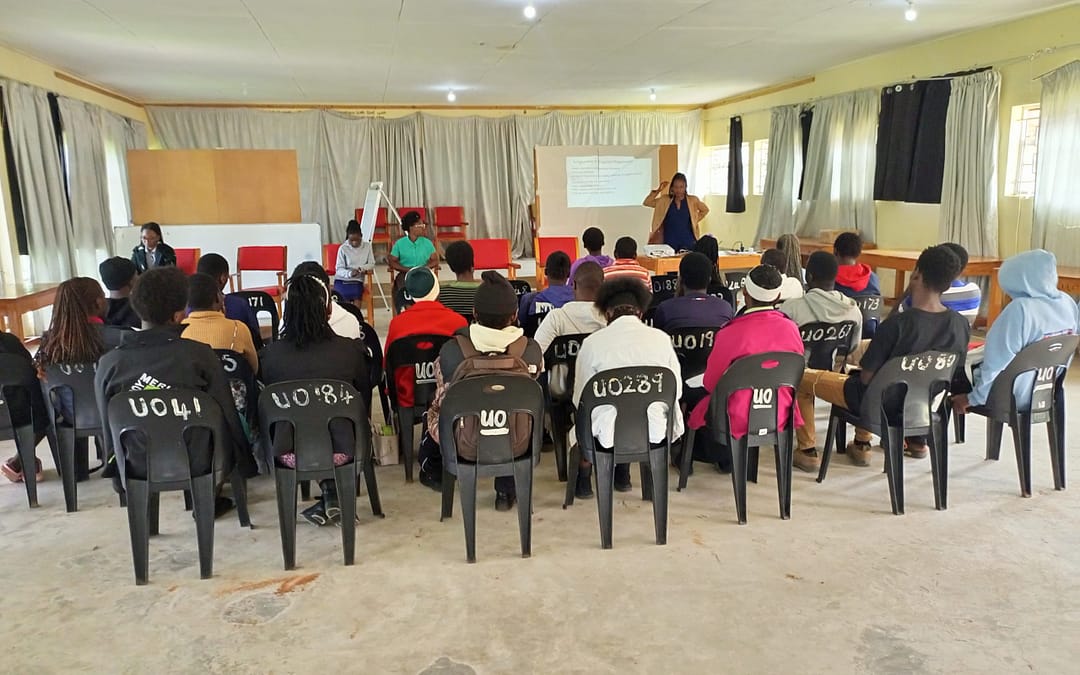
On 12 March 2026, the organisation hosted a safeguarding orientation session inside Ungweru Hall, bringing together twenty-six new students and an intern for a comprehensive learning experience focused on safety, dignity, and shared responsibility.
The session forms part of Ungweru’s ongoing commitment to ensuring that all learners engage in an environment that is not only educational but also safe, respectful, and inclusive.
Facilitated by Taonga J. Gondwe and Nessie Mbanda, the orientation provided a platform for students to explore safeguarding principles and understand their role in maintaining a protective community. Through guided discussions, participants were introduced to the concept of safeguarding as a proactive approach to preventing harm, abuse, exploitation, and neglect.
“Safeguarding is not just a policy, it is a daily practice that requires everyone’s involvement,” said Taonga J. Gondwe during the session. “Every student here has the right to feel safe, and equally, the responsibility to contribute to that safety.”
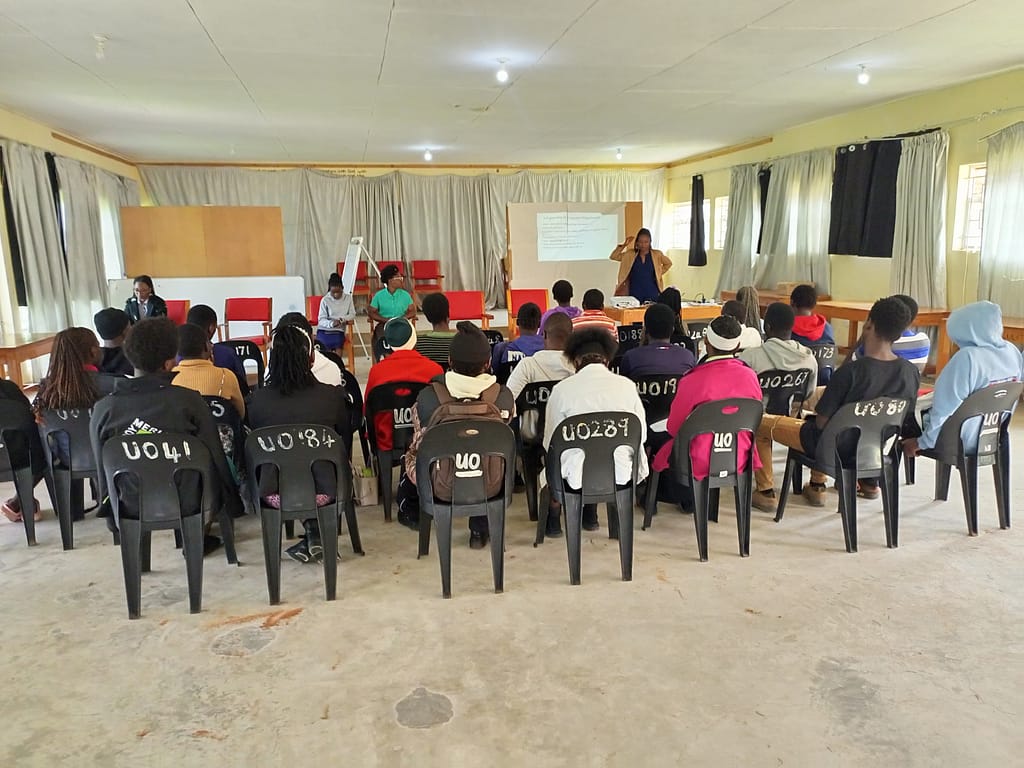
Taonga J. Gondwe facilitating the safeguarding awareness session for students
A key highlight of the orientation was the emphasis on reporting procedures. Students were encouraged to speak up against any form of abuse or misconduct, with facilitators outlining clear and accessible reporting channels within the organisation. The importance of timely reporting in preventing further harm was strongly underscored.
Nessie Mbanda reinforced this message, stating, “Silence can allow harm to continue. By reporting concerns, students are not only protecting themselves but also helping to safeguard others.”
Beyond safeguarding, the session addressed the responsible use of organisational resources. Students were reminded of the importance of taking care of facilities and equipment such as computers, sewing machines, chairs, and tables—resources that are essential for learning and skills development.
Environmental responsibility also featured prominently in the orientation. Students were introduced to practical steps they can take to promote sustainability, including proper waste management and composting. These simple yet impactful practices aim to instill environmentally conscious habits both within the organisation and in students’ communities.
“Protecting the environment starts with small actions,” noted Nessie Mbanda. “When students learn to separate waste or compost at home, they become agents of change in their communities.”
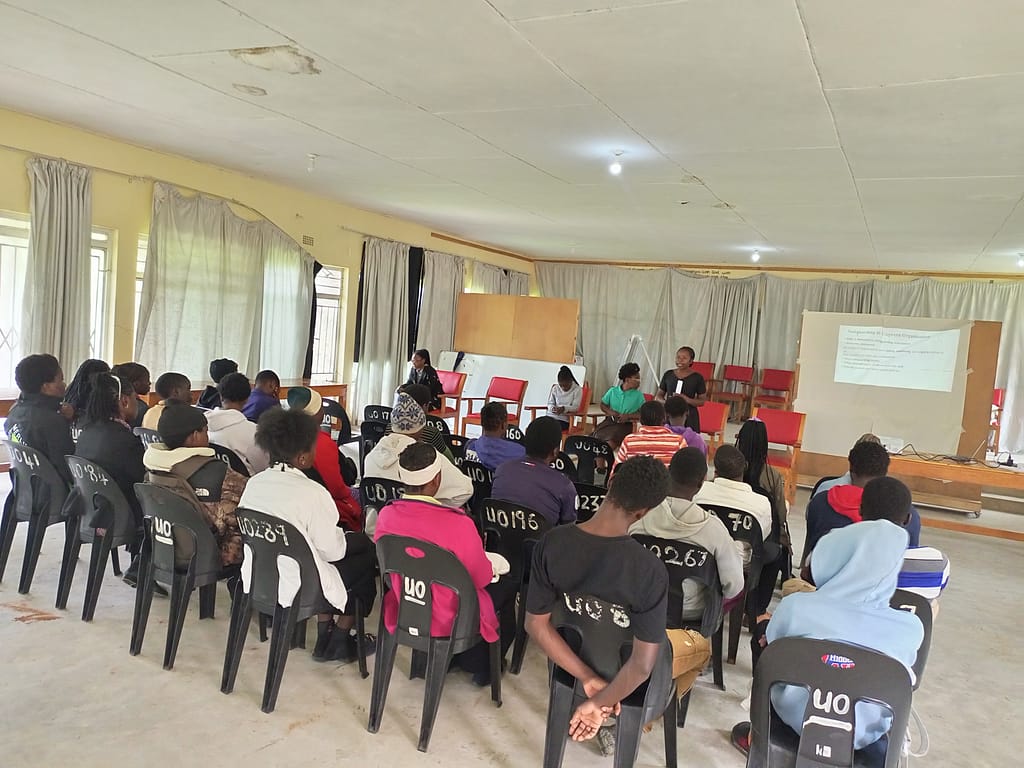
Nessie Mbanda facilitating environmental awareness session
The session was highly interactive, with students actively engaging in discussions, asking questions, and sharing their perspectives. Their participation reflected a growing awareness of the importance of safeguarding and collective responsibility.
As the orientation concluded, there was a shared sense of commitment among participants to uphold the values discussed. Students left with a clearer understanding of their rights, greater confidence in reporting mechanisms, and a renewed sense of responsibility towards both their peers and the environment.
Through initiatives like this, Ungweru Organisation continues to strengthen its mission of empowering young people, ensuring that safety, dignity, and responsibility remain at the core of its programmes.